 راجينتك
مقدمة: فهم تهديدات سرب الطائرات بدون طيار والحاجة إلى التشويش
مع التقدم السريع في تكنولوجيا سرب الطائرات بدون طيار, أصبحت أنظمة الدفاع التقليدية ذات النقطة الواحدة غير كافية على نحو متزايد. يمكن لأسراب الطائرات بدون طيار أن تقترب من الأهداف في تشكيلات منسقة, تعمل على ارتفاعات منخفضة, والتهرب من كشف الرادار التقليدي, خلق تحديات أمنية كبيرة للبنية التحتية الحيوية, المرافق العسكرية, والمناطق الحضرية الحساسة. واحدة من أكثر الطرق فعالية للتخفيف من هذه التهديدات هي استخدام الترددات اللاسلكية, نظام تحديد المواقع, وتقنيات التشويش بالليزر. تعمل حلول التشويش المضادة للطائرات بدون طيار هذه على تعطيل الاتصال, ملاحة, وأنظمة الاستشعار لأسراب الطائرات بدون طيار, تقليل فعاليتها التشغيلية ومنع الأضرار المحتملة.
تقدم هذه المقالة شرحا مفصلا ل تردد الراديو (الترددات اللاسلكية) التشويش, التشويش على نظام تحديد المواقع, والتشويش بالليزر, وتسليط الضوء على تطبيقاتها, نقاط القوة, القيود, والتكامل ضمن بنيات الدفاع الحديثة المضادة للطائرات بدون طيار.
تردد الراديو (الترددات اللاسلكية) تكنولوجيا التشويش
كيف يعمل تشويش الترددات اللاسلكية
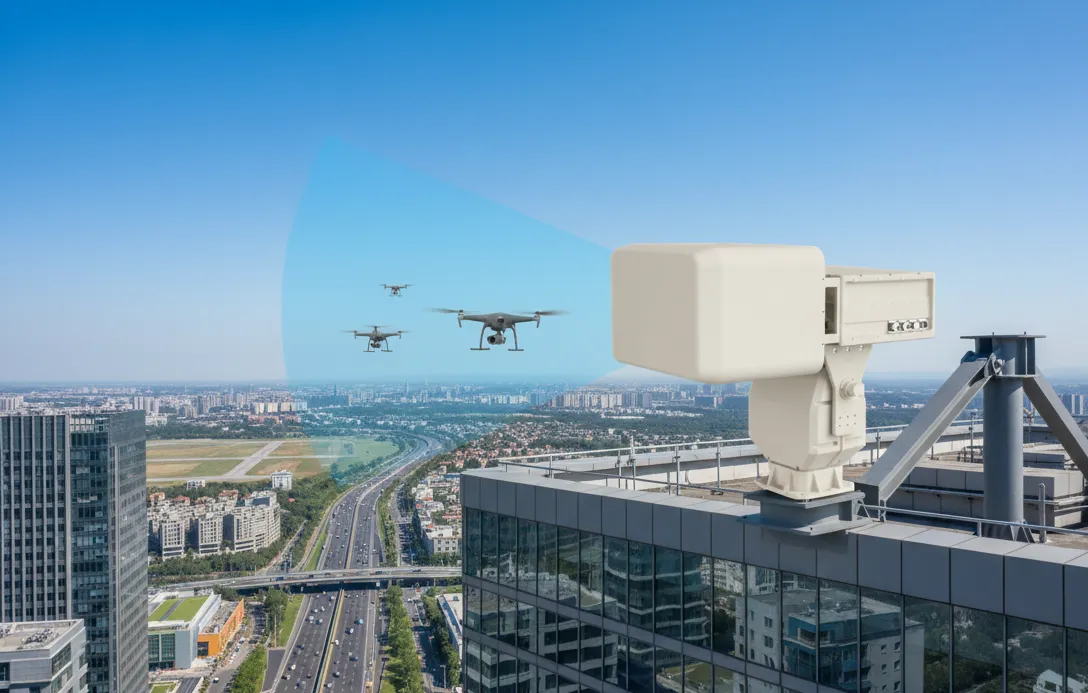
يستهدف تشويش الترددات اللاسلكية روابط الاتصال وإشارات التحكم بين الطائرات بدون طيار ومشغليها. عن طريق بث إشارات الترددات الراديوية على نفس نطاقات التردد التي تستخدمها الطائرات بدون طيار, يمكن لأجهزة تشويش التردد اللاسلكي مقاطعة القيادة والتحكم (ج2) الروابط, إجبار الطائرات بدون طيار على فقدان الاتصال أو الدخول في وضع آمن من الفشل. تشتمل أجهزة تشويش الترددات اللاسلكية الشائعة على بنادق تشويش اتجاهية, الأنظمة المثبتة على المركبات, والمنشآت الثابتة التي تغطي مجالات تشغيلية واسعة.
مزايا تشويش الترددات اللاسلكية
- فعالة ضد طائرات بدون طيار متعددة في وقت واحد في منطقة محلية
- يمكن أن تستهدف نطاقات تردد محددة لتقليل التداخل الجانبي
- تتوفر الحلول المحمولة لسيناريوهات الاستجابة السريعة
القيود
- يتطلب ذكاء التردد لاستهداف نماذج محددة من الطائرات بدون طيار بشكل فعال
- فعالية محدودة ضد الطائرات بدون طيار عالية التشفير أو المستقلة
- احتمالية التداخل مع أنظمة الاتصالات القريبة إذا لم تتم معايرتها بعناية
حالات الاستخدام
يتم نشر تشويش الترددات اللاسلكية بشكل شائع للحماية المطارات, القواعد العسكرية, والبنية التحتية الحيوية, منع اختراق الطائرات بدون طيار أو تعطيلها أثناء العمليات الحساسة.
تقنية التشويش على نظام تحديد المواقع العالمي (GPS).
كيف يعمل نظام تحديد المواقع العالمي (GPS) للتشويش
يتداخل تشويش نظام تحديد المواقع العالمي (GPS) مع إشارات الملاحة عبر الأقمار الصناعية التي تعتمد عليها الطائرات بدون طيار لتحديد المواقع والتحكم في مسار الرحلة. عن طريق إرسال إشارات عالية الطاقة على ترددات نظام تحديد المواقع العالمي (GPS)., يمكن أن تتسبب أجهزة التشويش في خطأ الطائرات بدون طيار في تقدير موقعها, تفقد قدرات الملاحة, أو العودة إلى نقاط المنزل غير صحيحة.
مزايا التشويش على نظام تحديد المواقع
- تعطيل الطائرات بدون طيار المستقلة وشبه المستقلة التي تعتمد على نظام تحديد المواقع العالمي (GPS).
- فعال لتغطية مساحة كبيرة بالأنظمة الثابتة أو المثبتة على المركبات
- يمكن أن يكمل تشويش الترددات اللاسلكية لتحييد هجمات السرب المعقدة
القيود
- أقل فعالية ضد الطائرات بدون طيار المجهزة بأنظمة الملاحة البديلة (غلوناس, جاليليو, الملاحة البصرية بالقصور الذاتي)
- خطر تعطيل خدمات GPS المدنية في المنطقة المحيطة
- الوحدات المحمولة ذات نطاق محدود مقارنة بالتركيبات الثابتة
حالات الاستخدام
التشويش على نظام تحديد المواقع العالمي (GPS) مناسب بشكل خاص لـ الدفاع عن محيط المنشآت العسكرية, المباني الحكومية, والأحداث الكبيرة, لأنه يستهدف بشكل مباشر واحدة من أهم التبعيات للتهديدات الحديثة غير المأهولة والدقيقة: الملاحة عبر الأقمار الصناعية. عند تطبيقها في السيطرة, السياق الدفاعي, يوفر تشويش نظام تحديد المواقع العالمي (GPS) مزيجًا من الفعالية, قابلية التوسع, وكفاءة التكلفة التي لا يمكن أن يضاهيها سوى عدد قليل من التدابير المضادة الأخرى.
تقنية التشويش بالليزر
كيف يعمل التشويش بالليزر
يستخدم التشويش بالليزر أشعة عالية الطاقة ل أجهزة الاستشعار البصرية المستهدفة مثل الكاميرات, ليدار, وأجهزة الكشف الضوئي على الطائرات بدون طيار. عن طريق تعمية هذه المستشعرات أو إتلافها مؤقتًا, يمكن أن تعطل أجهزة التشويش بالليزر رحلة مستقلة, اكتساب الهدف, والملاحة القائمة على الصور, مما يجعل الطائرة بدون طيار غير فعالة.
مزايا التشويش بالليزر
- استهداف دقيق للغاية مع الحد الأدنى من التدخل الجانبي
- فعال في البيئات ذات الكثافة الكهرومغناطيسية العالية حيث قد يواجه تشويش الترددات اللاسلكية/نظام تحديد المواقع العالمي (GPS).
- وقت استجابة سريع وكثافة قابلة للتعديل لمستويات التهديد المختلفة
القيود
- يتأثر الأداء بالظروف الجوية (مطر, ضباب, تراب) وقيود خط البصر
- يتطلب تتبعًا مستمرًا للهدف للحفاظ على تأثير التشويش
- عادة ما تكون أكثر تكلفة من حلول التشويش على الترددات اللاسلكية أو نظام تحديد المواقع العالمي (GPS).
حالات الاستخدام
يتم نشر التشويش بالليزر ل حماية الأصول ذات القيمة العالية, بما في ذلك البنية التحتية الحيوية, المعدات العسكرية, وأمن الأحداث لكبار الشخصيات, حيث تكون هناك حاجة إلى الدقة والحد الأدنى من تعطيل الأنظمة المحيطة.
مقارنة الترددات اللاسلكية, نظام تحديد المواقع, وتقنيات التشويش بالليزر
| تكنولوجيا | النظام المستهدف | المزايا | القيود | أفضل حالات الاستخدام |
|---|---|---|---|---|
| تشويش الترددات اللاسلكية | روابط الاتصالات | تغطية واسعة, الانتشار السريع, تحييد الطائرات بدون طيار المتعددة | تردد محدد, التدخل الجانبي المحتمل | المطارات, المراقبة الحضرية, الرد التكتيكي |
| التشويش على نظام تحديد المواقع | أنظمة الملاحة | فعال ضد الطائرات بدون طيار المستقلة, يكمل تشويش الترددات اللاسلكية | أنظمة الملاحة البديلة, احتمال حدوث خلل في نظام تحديد المواقع العالمي (GPS) المدني | الدفاع المحيطي, البنية التحتية الحيوية, أحداث كبيرة |
| التشويش بالليزر | أجهزة الاستشعار البصرية | دقة عالية, استجابة سريعة, الحد الأدنى من تدخل الترددات اللاسلكية | تعتمد على الطقس, خط البصر مطلوب, تكلفة أعلى | أهداف ذات قيمة عالية, حماية كبار الشخصيات, المنشآت الحساسة |
دمج تقنيات التشويش في أنظمة الدفاع المضادة للطائرات بدون طيار
الجمع بين الاستراتيجيات الحديثة لمكافحة الطائرات بدون طيار الترددات اللاسلكية, نظام تحديد المواقع, وتقنيات التشويش بالليزر مع أنظمة الكشف مثل الرادار, الكهروضوئية, وأجهزة الاستشعار الصوتية. ويضمن هذا النهج متعدد الطبقات:
- الكشف المبكر والتحديد الدقيق لأسراب الطائرات بدون طيار
- التخفيف الطبقي لمعالجة نواقل التهديد المختلفة (تواصل, ملاحة, أجهزة الاستشعار)
- تعزيز المرونة التشغيلية للمناطق الحضرية, ريفي, وبيئات المرافق الحرجة
من خلال تصميم أ نظام مضاد للطائرات بدون طيار متعدد الطبقات, يمكن للمؤسسات تحقيق أقصى قدر من الحماية مع تقليل المخاطر التي تتعرض لها الأنظمة والخدمات العامة المجاورة.
خاتمة
الترددات اللاسلكية, نظام تحديد المواقع, وتشكل تقنيات التشويش بالليزر مكونات حاسمة في الدفاع ضد أسراب الطائرات بدون طيار المتطورة بشكل متزايد. توفر كل تقنية نقاط قوة فريدة وتواجه قيودًا محددة, مما يجعل من الضروري نشر أ متعدد الطبقات, استراتيجية دفاعية متكاملة. من خلال فهم هذه التقنيات وتطبيقاتها, يمكن للمؤسسات حماية البنية التحتية الحيوية بشكل استباقي, المرافق العسكرية, والبيئات الحضرية الحساسة من التهديدات الناشئة عن أسراب الطائرات بدون طيار المنسقة.
للحصول على نظرة شاملة حول تهديدات سرب الطائرات بدون طيار, طرق الكشف, واستراتيجيات التدابير المضادة, قم بزيارة صفحتنا بحث حول تهديدات أسراب الطائرات بدون طيار وتقنيات أسراب الطائرات بدون طيار.