 RagineTech
Die Verbreitung unbemannter Luftfahrzeuge (UAVs) hat Branchen von der Logistik bis zur Unterhaltung revolutioniert, Aber es hat auch beispiellose Sicherheitsherausforderungen mit sich gebracht. Da Drohnen immer zugänglicher und ausgefeilter werden, Der Bedarf an fortschrittlichen Echtzeit-Drohnenerkennungs- und -verfolgungssystemen war noch nie so wichtig. Dieser umfassende Leitfaden untersucht die aktuelle Landschaft der Drohnenerkennungstechnologie und ihre vielversprechende Zukunft.
Die sich entwickelnde Drohnen-Bedrohungslandschaft
Herausforderungen in allen Branchen
Die rasante Entwicklung der Drohnentechnologie hat in mehreren Sektoren zu komplexen Sicherheitsbedenken geführt:
Kritische Sicherheitslücken in der Infrastruktur: Kraftwerke, Ölraffinerien, und Wasseraufbereitungsanlagen sind potenzieller Aufklärung und physischen Bedrohungen durch unbefugte Drohnen ausgesetzt. Ein einziger Einbruch kann die Betriebssicherheit gefährden und die öffentliche Sicherheit gefährden.
Bedenken hinsichtlich der Flugsicherheit: Flughäfen weltweit melden zunehmende Vorfälle von Drohnenangriffen in eingeschränkten Lufträumen. Diese Begegnungen bergen Kollisionsrisiken, die zu katastrophalen Unfällen und erheblichen Betriebsstörungen führen können.
Datenschutz- und Spionagerisiken: Firmeneinrichtungen, Regierungseinrichtungen, und Privatgrundstücke sind anfällig für Überwachungsdrohnen, die mit hochauflösenden Kameras und fortschrittlichen Sensoren ausgestattet sind.
Sicherheit bei öffentlichen Veranstaltungen: Große Versammlungen, Sportstätten, und politische Ereignisse erfordern einen robusten Schutz vor potenziellen Bedrohungen durch Drohnen, von der Lieferung von Schmuggelware bis hin zu schwerwiegenderen Sicherheitsverstößen.
Die entscheidende Bedeutung der Echtzeiterkennung
Echtzeit-Drohnenerkennungs- und -verfolgungstechnologie dient als vorderste Verteidigung gegen diese neuen Bedrohungen:
- Sofortige Bedrohungsbewertung: Die Erkennung im Millisekundenbereich ermöglicht es dem Sicherheitspersonal, Bedrohungen einzuschätzen und entsprechende Gegenmaßnahmen einzuleiten, bevor unbefugte Drohnen kritische Bereiche erreichen.
- Kritische Infrastruktur schützen: Durch kontinuierliche Überwachung werden Schutzzonen um sensible Anlagen geschaffen, Gewährleistung der Betriebskontinuität und Wahrung nationaler Sicherheitsinteressen.
- Verbesserte Reaktionskoordination: Echtzeit-Tracking-Daten ermöglichen es Sicherheitsteams, Reaktionen effektiv zu koordinieren, sei es durch Neutralisierungsprotokolle oder den Einsatz von Strafverfolgungsbehörden.
- Einhaltung gesetzlicher Vorschriften: Organisationen können die Einhaltung von Luftraumvorschriften und Sicherheitsstandards durch dokumentierte Erkennungsfunktionen nachweisen.
Aktuelle technologische Fortschritte
Evolution der Sensortechnologie
Moderne Drohnenerkennungssysteme integrieren mehrere Sensortechnologien:
Radarsysteme: Fortschrittliche Radarplattformen erkennen jetzt kleinere Drohnen aus größeren Entfernungen mit verbesserten Unterscheidungsfähigkeiten, Unterscheidung von UAVs von Vögeln und anderen Flugobjekten.
Radiofrequenz (RF) Erkennung: Hochentwickelte HF-Analysatoren identifizieren Drohnensteuersignale und Telemetriedaten, Bereitstellung einzigartiger Signaturen für verschiedene Drohnenmodelle und -hersteller.
Elektrooptisch/Infrarot (EO/IR) Systeme: Hochauflösende Kameras in Verbindung mit Wärmebildkameras ermöglichen die visuelle Bestätigung und Verfolgung bei verschiedenen Licht- und Wetterbedingungen.
Datenanalyse und KI-Algorithmen
Künstliche Intelligenz hat die Drohnenerkennung von reaktiv zu prädiktiv verändert:
- Modelle für maschinelles Lernen: Neuronale Netze, die auf Millionen von Drohnensignaturen trainiert wurden, erreichen Genauigkeitsraten, die übertreffen 95% bei gleichzeitiger Minimierung falsch positiver Ergebnisse.
- Verhaltensanalyse: KI-Algorithmen sagen Flugrouten von Drohnen voraus und identifizieren anomale Verhaltensweisen, die auf feindselige Absichten hinweisen könnten.
- Automatisierte Klassifizierung: Deep-Learning-Systeme kategorisieren erkannte Objekte sofort, Unterscheidung zwischen kommerziellen Drohnen, DIY-Builds, und andere Flugzeuge.
- Sensorfusion: Fortschrittliche Algorithmen synthetisieren Daten von mehreren Sensoren, Schaffung eines umfassenden Situationsbewusstseins und Erhöhung der Erkennungssicherheit.
Zukünftige technologische Innovationen
Die nächste Generation von Drohnenerkennungssystemen verspricht noch größere Möglichkeiten:
Quantensensoren: Die neue Quantenradartechnologie könnte die Erkennungsempfindlichkeit revolutionieren, Identifizierung von Drohnen unabhängig von Stealth-Modifikationen oder Größe.
5G-Integration: 5G-Netzwerke mit extrem geringer Latenz ermöglichen verteilte Sensornetzwerke mit Echtzeitkoordination über große geografische Gebiete hinweg.
Autonome Abwehrsysteme für Drohnen: KI-gestützte Systeme werden autonom erkennen, Schiene, klassifizieren, und Bedrohungen ohne menschliches Eingreifen neutralisieren.
Prädiktive Intelligenz: Erweiterte Analysen werden Bedrohungen durch Drohnen auf der Grundlage historischer Daten vorhersehen, geopolitische Ereignisse, und Verhaltensmuster.
Schlüsseltechnologien und Komponenten von Echtzeiterkennungssystemen
Wie Kerntechnologien zusammenarbeiten
Eine effektive Drohnenerkennung erfordert die nahtlose Integration komplementärer Technologien:
Multisensor-Fusionsarchitektur: Moderne Systeme verwenden einen mehrschichtigen Ansatz, bei dem Radar erste Erkennungswarnungen liefert, HF-Sensoren bestätigen die Anwesenheit einer Drohne und identifizieren deren Kommunikationsprotokolle, während EO/IR-Systeme eine visuelle Überprüfung und präzise Tracking-Daten liefern.
Koordinierter Erkennungsprozess:
Erster Erwerb: Radarsysteme erkennen anomale Luftziele in Entfernungen von bis zu 5 Kilometer
Signalüberprüfung: HF-Detektoren analysieren elektromagnetische Signaturen, um die Anwesenheit von Drohnen zu bestätigen
Visuelle Bestätigung: Optische Sensoren erfassen das Ziel zur eindeutigen Identifizierung
Kontinuierliche Verfolgung: KI-Algorithmen sagen die Flugbahn voraus und behalten das Ziel im Auge
Bedrohungsbewertung: Die automatisierte Analyse bestimmt das Risikoniveau basierend auf dem Flugmuster, Nähe, und Verhalten
Durchgängiger technischer Prozess
Datenerfassung: Verteilte Sensorarrays scannen kontinuierlich das elektromagnetische Spektrum und den Luftraum, Täglich werden Terabytes an Rohdaten generiert.
Echtzeitverarbeitung: Edge-Computing-Systeme verarbeiten Sensordaten lokal, Reduzierung der Latenz auf unter 100 Millisekunden von der Erkennung bis zur Warnung.
Intelligente Analyse: Cloudbasierte KI-Plattformen führen tiefgreifende Analysen durch, Korrelation aktueller Erkennungen mit historischen Mustern und Bedrohungsdatenbanken.
Entscheidungsunterstützung: Integrierte Befehls- und Steuerungsschnittstellen liefern den Bedienern verwertbare Informationen, Bedrohungen hervorheben und Gegenmaßnahmen empfehlen.
Antwortausführung: Automatisierte oder vom Bediener eingeleitete Gegenmaßnahmen neutralisieren Bedrohungen und führen gleichzeitig detaillierte Protokolle für forensische Analysen.
Systemarchitektur und Integration
Hardwarekomponenten:
- Verteilte Sensorknoten mit Wetterschutz, robuste Gehäuse
- Hochleistungs-Computing-Cluster für Echtzeitverarbeitung
- Redundante Stromversorgungssysteme gewährleisten 24/7 Betrieb
- Sichere Kommunikationsinfrastruktur zur Datenübertragung
Softwareschnittstellen:
- RESTful-APIs ermöglichen die Integration in bestehende Sicherheitsmanagementsysteme
- ONVIF-konforme Videomanagementsystem-Integration
- Benutzerdefinierte Middleware für Kompatibilität mit Legacy-Systemen
- Mobile Anwendungen zur Fernüberwachung und Alarmverwaltung
Umweltanpassungsfähigkeit
Städtische Umgebungen: Algorithmen zur Minderung von Mehrwegeinterferenzen filtern Gebäudereflexionen, während Schmalstrahlantennen Fehlalarme durch WLAN- und Mobilfunksignale reduzieren.
Autobahn- und Transportkorridore: Langstreckenradarkonfigurationen bieten erweiterte Erfassungsbereiche, während mobile Bereitstellungsoptionen temporäre Sicherheitsvorgänge unterstützen.
Schutz kritischer Einrichtungen: Benutzerdefinierte Erkennungszonen erstellen virtuelle Perimeter mit einstellbaren Empfindlichkeitsstufen, Abwägung von Sicherheitsanforderungen und betrieblichen Anforderungen.
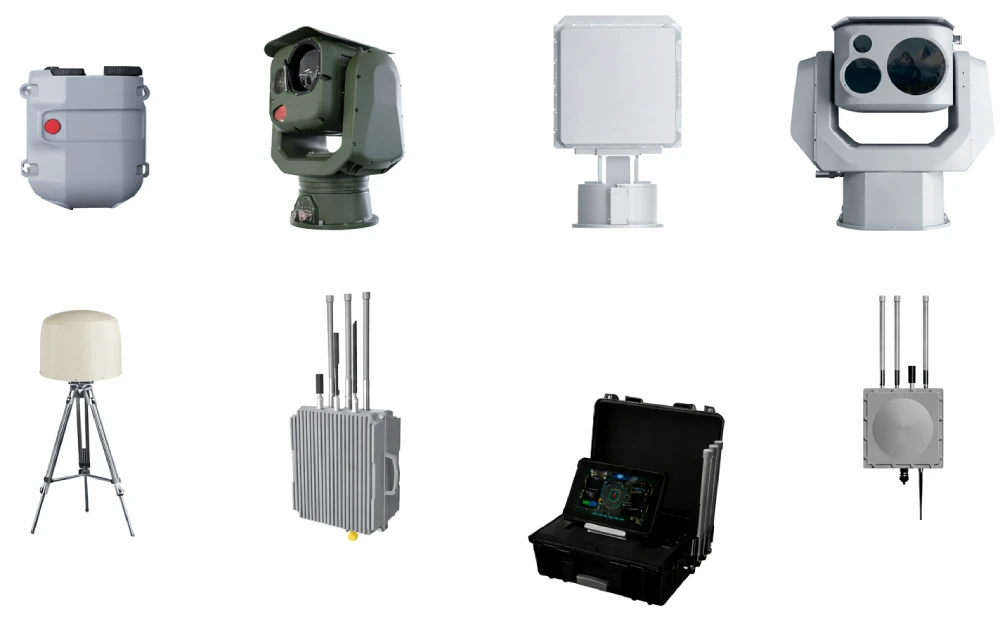
Umfangreiches Produktportfolio zur Drohnendetektion
Unsere fortschrittliche Erkennungsserie bietet spezialisierte Lösungen für jede Sicherheitsanforderung:
Am Kopf montiertes Laser-Frühwarngerät: Einsatz modernster LiDAR-Technologie, Dieses System erzeugt millimetergenaue dreidimensionale Erfassungsbereiche. Ideal für die Perimeterverteidigung im Nahbereich, Es arbeitet geräuschlos und bleibt für Drohnenbetreiber unsichtbar, Bereitstellung einer Frühwarnung für einen schnellen Reaktionseinsatz.
Dual-Licht-Erkennungsgerät: Kombination von sichtbarem Spektrum und Wärmebildfunktionen, Dieses vielseitige System liefert zuverlässig 24/7 Erkennung mit einem Erfassungsbereich von über 2 Kilometer.. Der integrierte Verfolgungsalgorithmus hält die Zielerfassung durch Obskuranten aufrecht, Damit ist es perfekt für Einsätze bei jedem Wetter geeignet.
Radar zur Erkennung geringer Höhen: Speziell für die Erkennung kleiner UAVs entwickelt, Dieses Radarsystem zeichnet sich durch die Erkennung tieffliegender Bedrohungen aus, die herkömmliche Luftverteidigungsradare übersehen. Mit einer Erfassungsreichweite von mehr als 4 Kilometer, Es bildet das Rückgrat umfassender Luftraumüberwachungslösungen.
Basisstation zur Erkennung geringer Höhenlagen: Diese integrierte Plattform vereint mehrere Sensortechnologien in einer einzigen einsetzbaren Einheit. Entwickelt für schnelle Bereitstellungsszenarien, Es stellt einen sofortigen Bereichsschutz für vorübergehende Ereignisse her, Baustellen, oder Notfalleinsätze.
Vollband-Handheld-Frühwarngerät: Tragbar und bedienerfreundlich, Dieses Gerät bietet Sicherheitspersonal die Möglichkeit, Drohnen sofort zu erkennen. Seine Vollspektrum-HF-Analyse identifiziert Drohnen-Steuersignale in allen kommerziellen Frequenzbändern, Dies macht es für Sicherheitspatrouillen und Schnellbewertungsteams von unschätzbarem Wert.
Vollband-UAV-Erkennungs- und Positionierungsausrüstung: Unsere Flaggschifflösung bietet umfassende Drohnenerkennung, Identifikation, und Lokalisierungsfunktionen. Durch Triangulation von HF-Signalen, Es lokalisiert sowohl die Drohne als auch ihren Bediener, Bereitstellung kritischer Informationen für die Reaktion der Strafverfolgungsbehörden und die Neutralisierung von Bedrohungen.
Bewertung der Systemeffektivität
Technische Leistungsmetriken
Erkennungsgenauigkeit: Führende Systeme erreichen Erkennungsraten von mehr als 100 % 98% für kommerzielle Drohnen, während die Fehlalarmraten weiter unten bleiben 2%. Die Bewertung sollte Tests gegen verschiedene Drohnentypen umfassen, Größen, und Flugprofile.
Ansprechzeit: Elite-Systeme liefern Erkennungs-zu-Alarm-Zyklen unter 2 Sekunden, mit Tracking-Initialisierung in weniger als 5 Sekunden. Dieses schnelle Reaktionsfenster ist entscheidend für den wirksamen Einsatz von Gegenmaßnahmen.
Empfindlichkeit und Reichweite: Systeme sollen kleine Verbraucherdrohnen zuverlässig erkennen (250g+) in Bereichen von 1-3 Kilometer, mit größeren kommerziellen UAVs nachweisbar bei 5-10 Kilometer oder mehr.
Umweltleistung: Wirksamkeit bei extremen Temperaturen (-40°C bis +70°C), Fällung, Nebel, und starke Windverhältnisse trennen industrietaugliche Systeme von Verbraucherangeboten.
Handhabung mehrerer Ziele: Fortschrittliche Systeme verfolgen gleichzeitig Dutzende Ziele, unerlässlich für komplexe Einsatzumgebungen oder koordinierte Drohnenschwarmszenarien.
Vergleich mit traditionellen Verteidigungsmaßnahmen
Physische Barrieren: Während Zäune und Mauern Bodeneingriffe verhindern, Gegen Bedrohungen aus der Luft sind sie wirkungslos. Drohnenerkennungssysteme bieten die einzig praktikable Lösung zur Luftraumsicherheit.
Visuelle Beobachtung: Menschliche Beobachter können das nicht behaupten 24/7 Wachsamkeit und mangelnde Reichweite für eine angemessene Frühwarnung. Automatisierte Systeme ermüden nicht und sorgen für eine konstante Leistung.
Konventionelles Radar: Herkömmlichen Radarsystemen zur Flugzeugerkennung fehlt die Empfindlichkeit und Auflösung, um kleine Flugzeuge zuverlässig zu erkennen, sich langsam bewegende Drohnen. Spezialisiertes Drohnenerkennungsradar verwendet verschiedene Frequenzen und eine Signalverarbeitung, die für UAV-Eigenschaften optimiert ist.
Manuelles RF-Scannen: Handheld-Spektrumanalysatoren erfordern erfahrene Bediener und können nur begrenzte Frequenzbereiche überwachen. Automatisierte Vollspektrumsysteme überwachen kontinuierlich alle relevanten Bänder mit KI-gestützter Analyse.
Kosten-Nutzen-Analyse
Erstinvestition: Während moderne Erkennungssysteme einen erheblichen Kapitalaufwand erfordern, Sie machen eine kontinuierliche menschliche Überwachung überflüssig und bieten überlegene Erkennungsfähigkeiten.
Betriebseffizienz: Automatisierte Systeme reduzieren den Personalbedarf um 60-80% im Vergleich zu visuellen Beobachtungsmethoden, mit Amortisationszeiten in der Regel unter 3 Jahre für mittlere bis große Anlagen.
Langfristige Wartung: Solid-State-Komponenten und Ferndiagnose minimieren die Wartungskosten, mit typischer jährlicher Wartung 8-12% der anfänglichen Systemkosten.
Risikominderungswert: Die Kosten einer einzelnen Sicherheitsverletzung – unabhängig davon, ob es sich um eine Betriebsunterbrechung handelt, regulatorische Strafen, oder Reputationsschäden – übersteigen oft die Gesamtkosten einer umfassenden Erkennungsinfrastruktur.
Fallstudien aus der Industrie
Verbesserung der internationalen Flughafensicherheit: Ein großer europäischer Flughafen setzte integrierte Radar- und HF-Detektionssysteme zur Abdeckung ein 15 Quadratkilometer. Innerhalb von sechs Monaten, das System erkannt 47 Drohneneinfälle, Ermöglichen von Sicherheitsreaktionen, die potenzielle Kollisionen verhindern. Der Flughafen meldete keinerlei Betriebsunterbrechungen aufgrund von Drohnenvorfällen nach der Installation, im Vergleich zu 12 Störereignisse im Vorjahr.
Schutz kritischer Infrastrukturen: Eine petrochemische Anlage im Nahen Osten führte die Perimeterdrohnenerkennung ein, nachdem Aufklärungsdrohnen in der Nähe sensibler Betriebe gesichtet wurden. Das vielschichtige System (Kombination von Radar, RF-Erkennung, und EO/IR-Tracking) erreicht 100% Erkennung von Testeinbrüchen während der Validierung. Zwei Monate nach der Aktivierung, Das System erkannte und verfolgte eine nicht autorisierte kommerzielle Drohne, die offensichtlich eine Überwachung durchführte, Dies führte zur Festnahme von Personen, die Industriespionage betreiben.
Sicherheit des Militärstützpunkt-Perimeters: Verteidigungsanlagen erfordern höchste Sicherheitsstandards. Eine NATO-Einrichtung setzte ein fortschrittliches Erkennungsnetzwerk ein, das erfolgreich identifizierte und verfolgte 230+ genehmigte Drohneneinsätze während der Flaggenfahrt 8 unerlaubte Eingriffe mit 100% Genauigkeit über einen 18-monatigen Evaluierungszeitraum. Die Fähigkeit des Systems, zwischen autorisierten und nicht autorisierten UAVs zu unterscheiden, verhinderte sowohl Sicherheitsverletzungen als auch Fehlalarme, die den Betrieb gestört hätten.
Drohnen-Bedrohungsminderungssysteme, die in globalen Anwendungsszenarien eingesetzt werden
Grenzsicherungseinsätze
Herausforderung: Moderne Grenzen erstrecken sich über Tausende Kilometer unterschiedlichen Geländes, Dies macht eine umfassende Überwachung zu einer außerordentlichen Herausforderung. Schmuggler setzen zunehmend Drohnen ein, um Schmuggelware zu transportieren, der Entdeckung entgehen, und Aufklärung von Patrouillenmustern durchführen.
Lösungsimplementierung: Grenzschutzbehörden bauen an strategischen Standorten Netzwerke mobiler Detektionsstationen auf. Diese Systeme integrieren Langstreckenradar zur Ersterkennung, HF-Analyse zur Ortung, und Koordination mit Reaktionsteams. Echtzeitdaten werden in zentrale Kommandozentralen eingespeist, ein schnelles Verbot ermöglichen.
Ergebnisse: Die USA. Der Zoll- und Grenzschutz meldete a 340% Anstieg der Vorfälle im Zusammenhang mit Drohnen zwischen 2020 Und 2023. Agenturen, die fortschrittliche Erkennungssysteme einsetzen, haben erfolgreich ein Verbot verhängt 78% der erkannten Einbrüche, im Vergleich zu gerade 12% Verbotsraten mithilfe traditioneller Beobachtungsmethoden.
Flughafen- und Luftsicherheit
Herausforderung: Flughäfen stellen besonders gefährdete Ziele dar, wo unbefugte Drohnen die Sicherheit der Passagiere gefährden, Betriebskontinuität, und Einhaltung gesetzlicher Vorschriften. Selbst kurze Eingriffe in den Luftraum können zu Landebahnsperrungen führen, die Verspätungen in Millionenhöhe verursachen.
Lösungsimplementierung: Umfassende Flughafenlösungen schaffen mehrere Erkennungsebenen: Außenperimeterradar zur Frühwarnung (5-10km), HF-Erkennungszonen im mittleren Bereich (2-5km), und optische Nahverfolgungssysteme (<2km). Die Integration in Flugsicherungssysteme ermöglicht automatisierte Warnungen und koordinierte Reaktionen.
Ergebnisse: Flughäfen mit integrierten Erkennungssystemen reduzierten drohnenbedingte Betriebsunterbrechungen um 94% im Vergleich zu Einrichtungen, die auf visuelle Beobachtung angewiesen sind. Erkennungssysteme amortisieren sich durch die Kosten vermiedener Störungen 18-24 Monate im Durchschnitt.
Industrieparks und Produktionsanlagen
Herausforderung: Unternehmensspionage mittels Drohnenüberwachung gefährdet geistiges Eigentum und Wettbewerbsvorteile. Produktionsanlagen sind auch potenziellen physischen Bedrohungen für die betriebliche Technologieinfrastruktur ausgesetzt.
Lösungsimplementierung: Industriekunden setzen typischerweise auf den Perimeter fokussierte Erkennungssysteme mit hohen Empfindlichkeitseinstellungen ein. Die Integration in bestehende Sicherheitsmanagementsysteme ermöglicht eine einheitliche Bedrohungsbewertung und Reaktionskoordinierung.
Ergebnisse: Eine Halbleiterfertigungsanlage entdeckt 23 Unerlaubte Drohnenflüge vorbei 12 Monate nach der Systeminstallation – Überwachungsversuche, die ohne Erkennungsmöglichkeiten unbemerkt geblieben wären. Die gesammelten Informationen führten zu Festnahmen und verhinderten einen potenziellen Diebstahl geschützter Herstellungsprozesse im Wert von mehr als 100.000 US-Dollar $500 Million.
Öffentliche Veranstaltung und VIP-Schutz
Herausforderung: Große Versammlungen und hochkarätige Veranstaltungen stellen attraktive Ziele für den böswilligen Einsatz von Drohnen dar, von verbotenem Fotografieren bis hin zu schwerwiegenderen Drohungen gegen Teilnehmer oder Infrastruktur.
Lösungsimplementierung: Durch den vorübergehenden Einsatz mobiler Detektionseinheiten entstehen schützende Blasen rund um Veranstaltungsorte. Schnelle Rüstzeiten (unter 2 Std.) und flexible Konfigurationsoptionen berücksichtigen unterschiedliche Veranstaltungslayouts und Sicherheitsanforderungen.
Ergebnisse: Sicherheitsdienste zum Schutz großer Sportveranstaltungen, politische Kundgebungen, und Unterhaltungsstätten berichten von einer nahezu flächendeckenden Einführung der Drohnenerkennungstechnologie. Die Systeme konnten Dutzende verbotener Drohnenflüge bei überwachten Veranstaltungen erfolgreich identifizieren und verbieten, ohne erfolgreiche Sicherheitsverletzungen durch Eindringen aus der Luft.
Militär- und Verteidigungsanwendungen
Herausforderung: Militärische Einrichtungen sind hochentwickelten Bedrohungen durch Drohnen ausgesetzt, darunter auch Aufklärungszwecke, Targeting, und sogar bewaffnete UAVs. Die Verbreitung kommerzieller Drohnentechnologie hat die Eintrittsbarrieren für feindliche Akteure gesenkt.
Lösungsimplementierung: Verteidigungsanwendungen nutzen modernste Erkennungstechnologien mit klassifizierten Fähigkeiten, die über kommerzielle Systeme hinausgehen. Mehrschichtige Erkennungsarchitekturen bieten Redundanz und Widerstandsfähigkeit gegenüber ausgefeilten Umgehungstechniken.
Ergebnisse: Die jüngsten militärischen Konflikte haben die entscheidende Bedeutung von Drohnenerkennungs- und Gegenmaßnahmensystemen gezeigt. Mit fortschrittlichen Detektionsfähigkeiten ausgestattete Streitkräfte gewährleisten die Einsatzsicherheit und Bewegungsfreiheit, während diejenigen, denen solche Systeme fehlen, unter Aufklärungsrisiken und taktischen Nachteilen leiden.
Abschluss: Die Zukunft der Luftraumsicherheit in geringer Höhe
Da die Drohnentechnologie immer weiter voranschreitet, Erkennungs- und Verfolgungssysteme müssen parallel weiterentwickelt werden. Die Konvergenz der KI, fortschrittliche Sensoren, und verteiltes Rechnen schafft beispiellose Möglichkeiten zum Schutz des Luftraums und kritischer Vermögenswerte.
Unternehmen, die heute in eine umfassende Drohnenerkennungsinfrastruktur investieren, sind nicht nur in der Lage, aktuelle Bedrohungen zu bewältigen, sondern auch neue Herausforderungen im Zuge der Erweiterung der UAV-Fähigkeiten. Die Frage ist nicht mehr, ob Drohnenerkennungssysteme implementiert werden sollen, Es geht vielmehr darum, wie schnell Unternehmen diese wichtigen Sicherheitstechnologien bereitstellen können.
Die nächste Grenze betrifft:
● Autonome Reaktionssysteme, die erkennen, klassifizieren, und Bedrohungen ohne menschliches Eingreifen neutralisieren
● Prädiktive Intelligenz, die Bedrohungen durch Drohnen vorhersieht, bevor sie eintreten
● Globale Sensornetzwerke, die Bedrohungsdaten in Echtzeit über Installationen und Gerichtsbarkeiten hinweg austauschen
● Fähigkeiten zur Schwarmabwehr, die auf koordinierte Angriffe mehrerer UAVs gleichzeitig reagieren
Die Technologie zur effektiven Sicherung des Luftraums ist heute vorhanden. Organisationen, die entschlossen handeln und umfassende Erkennungssysteme implementieren, schützen ihren Betrieb, Personal, und Vermögenswerte, während gleichzeitig die Fähigkeit erhalten bleibt, den Schutz zu skalieren, wenn sich Bedrohungen weiterentwickeln.
Bereit, Ihre Sicherheitslage zu verbessern? [Kontaktieren Sie unser technisches Team] um zu besprechen, wie unsere Drohnenerkennungslösungen an Ihre spezifischen betrieblichen Anforderungen und Ihr Bedrohungsprofil angepasst werden können.
Für technische Spezifikationen, Unterstützung bei der Einsatzplanung, oder um eine Vorführung unserer Erkennungssysteme zu vereinbaren, Bitte besuchen Sie unsere [Produktseiten] oder wenden Sie sich direkt an unser Team für Sicherheitslösungen.