ラジンテクノロジー, ドローン対策機器に重点を置いています 発達 そして生産, 低空空域をより安全に.

電子メール: marketing@hzragine.com |

トレードニュース

ドローン対策テクノロジーの総合ガイド: 重要なインフラを保護する 2026

As commercial drone technology reaches new heights of accessibility and sophistication, the security landscape for critical infrastructure has fundamentally shifted. From airports and power plants to correctional facilities and private estates, the threat of unauthorized drone incursions—whether for espionage, smuggling, or physical disruption—is a pressing reality.

For security professionals and procurement officers, understanding the nuances of anti drone technologies (also known as C-UAS or Counter-Unmanned Aircraft Systems) is no longer optional; it is a strategic necessity. This guide breaks down the core components of modern drone defense to help you make informed investment decisions.

Detection vs. Mitigation: The Two Pillars of Defense

A truly effective anti-drone strategy is built on two distinct but integrated phases: finding the threat and neutralizing it.

The Eyes and Ears: Detection Technologies

You cannot stop what you cannot see. High-tier anti drone technologies rely on a multi-sensor approach:

  • Radar Systems: The gold standard for long-range detection, capable of tracking multiple targets simultaneously in all weather conditions.

  • 無線周波数 (RF) Analyzers: These systemslistento the communication between the drone and its pilot, identifying the drone’s make, model, and sometimes the operator’s location.

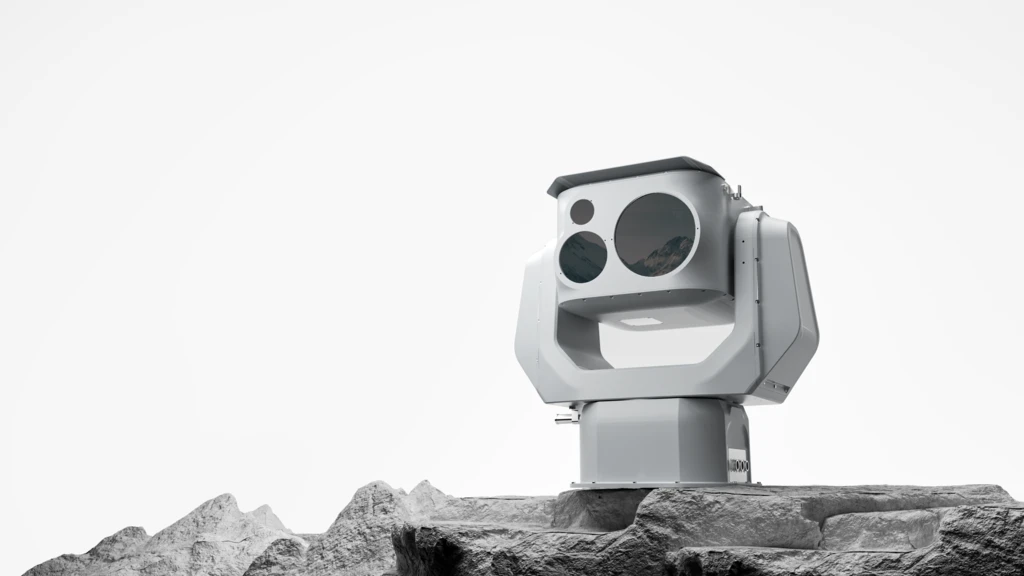
  • EO/IR Cameras: Electro-Optical and Infrared sensors provide visual confirmation and thermal tracking, which is essential for forensic evidence and nighttime operations.

The Shield: Mitigation Technologies

Once a threat is confirmed, the system must act. The most common commercial methods include:

  • Electronic Jamming: Disrupting the drone’s RF and GNSS (GPS) signals, forcing it to lose connection and either land or return to home.

  • GNSS Spoofing: A more advanced technique that sends fake navigation signals to the drone, allowing security teams to take control and redirect it to a safe zone.

Sector-Specific Applications: Which Solution Do You Need?

Different environments face different threats. Choosing the right anti drone technologies requires an analysis of your specific operational landscape.

IndustryPrimary ThreatRecommended Technology Stack
Airports & AviationFlight collisions & delaysLong-range Radar + Directional Precision Jamming
Oil, Gas & EnergyIndustrial espionage & sabotageFixed-site RF Scanning + 24/7 Thermal Imaging
Prisons & Border ControlContraband smugglingOmni-directional Jamming + Acoustic Sensors
VIP & Public EventsPrivacy invasion & physical riskPortable/Handheld Jamming Solutions

Key Factors for B2B Procurement: Beyond the Spec Sheet

Selecting the right anti-drone system involves evaluating various technical factors to ensure it meets your operational requirements.

  • Detection Range vs. Neutralization Range: A 5km detection range is often needed for early warning, but it’s essential to have a mitigation range that’s at least 2km for effective neutralization.

  • Integration Capabilities: Does the anti-drone technology integrate seamlessly with your existing security infrastructure, such as CCTV or Video Management Systems (VMS)? Integration ensures smooth operations without disrupting your current security systems.

  • Automation & AI: Machine learning algorithms can help reduce false alarms. 例えば, AI can differentiate between a bird and a drone, reducing unnecessary responses and saving resources.

  • スケーラビリティ: Modular designs are crucial for future-proofing your investment. The ability to expand coverage areas as your site grows or as drone threats evolve is a vital consideration.

Navigating the Legal and Regulatory Landscape

Deploying anti drone technologies involves complex legal considerations. 多くの管轄区域で, signal jamming is strictly regulated.

  • Compliance: Ensure your equipment meets local telecommunications standards (such as FCC or CE).

  • Collateral Interference: High-quality jammers are designed to besurgical,” targeting only the drone’s frequencies without disrupting local Wi-Fi, cellular networks, or emergency services.

  • Safe Landing Protocols: Soft-kill methods like GPS spoofing are often preferred in urban environments, where a drone should be safely forced to land instead of being disabled through physical means.

Future Trends: AI and theCat-and-MouseGame

As drones evolve, so too do anti-drone technologies. の “cat-and-mousegame between drones and countermeasures is intensifying.

  • Autonomous Swarm Defense: Emerging technologies are being developed to handle multiple drone threats at once. These systems use advanced AI to track and neutralize multiple drones operating in a coordinated attack.

  • Directed Energy Weapons (DEW): DEW is on the cutting edge of anti-drone technology. These systems use focused energy, such as lasers, to disable drones with precision, offering long-term defense solutions.

  • Cloud-Based Monitoring: Multi-site operations can benefit from cloud-based monitoring systems that centralize data and allow operators to manage multiple facilities from a single interface.

結論: Securing Your Assets Today

There is noone-size-fits-allin drone defense. The most effective security posture is a multi-layered approach that combines high-fidelity detection with reliable, low-collateral mitigation. As a leader in security, your goal is to minimize risk while maintaining operational continuity.

Ready to Secure Your Airspace?

Don’t wait for an incident to expose your vulnerabilities.

[Contact our Technical Team] for a customized risk assessment.

Expert Insights into Anti Drone Technologies

legality of anti-drone systems varies significantly by country and jurisdiction. While detection technologies (like Radar and RF sensors) are generally legal as they are passive, mitigation technologies (like jamming) are often restricted to government agencies, military, or critical infrastructure operators (e.g., 空港). We recommend consulting with local telecommunications and aviation authorities to ensure your deployment complies with FCC, CE, or regional security regulations.

No single sensor is foolproof, which is why a multi-layered approach is essential. While RF analyzers might struggle with drones that aren’t transmitting signals (“Silent Mode”), Radar and Optical (EO/IR) sensors can still detect them based on their physical presence and heat signature.

Modern anti drone technologies use data fusion and intelligent algorithms. They combine information from radar, RF, and visual sensors. This helps distinguish drones from birds or other airborne objects.

Range depends on the specific hardware. In professional setups, detection range often reaches 5km to 10km using advanced radar. しかし, the mitigation (jamming) range is typically shorter, usually between 1.5km and 3km. Thisbuffer zoneis intentional, providing security teams with enough time to identify the threat before engaging.

To minimize collateral interference. In B2B and urban environments, “over-jammingis a risk. By focusing the mitigation power within a 2kmKill Zonerather than a 5km radius, the system significantly reduces the risk of disrupting local Wi-Fi, emergency communications, and cellular networks in the surrounding area.

Dealing with Drone Swarms requires high-performance processing and AI. Modern anti drone technologies utilize AI-driven software to track and classify multiple objects simultaneously. For mitigation, omni-directional jammers or high-powered directional arrays are used to create a defensivedomeorcorridorthat can disrupt multiple drones operating on different frequencies at once.

Quality industrial-grade systems are designed to minimize collateral interference. Through Precision Frequency Management, advanced jammers target only the specific frequencies used by drones (e.g., 2.4GHz, 5.8GHz, or GNSS bands). By using directional antennas and precise power control, we can protect your airspace without disrupting local communication infrastructures or emergency services.

はい. Drone threats continue to evolve. Scalable and modular anti drone technologies allow upgrades over time. Proactive deployment reduces long-term security and operational risks.

前へ:

次:

返信を残す

このサイトはスパムを低減するために Akismet を使っています. コメントデータがどのように処理されるかをご覧ください.

伝言を残す