 RagineTech
À medida que os drones ficam mais baratos, mais inteligente, e mais fácil de operar, o setor da energia e da eletricidade enfrenta um novo tipo de ameaça aérea à segurança. Usinas de energia, subestações, parques eólicos, e os parques solares nunca foram projetados para lidar com intrusões aéreas de baixa altitude. Ainda hoje, drones podem chegar a essas instalações em minutos.
É exatamente por isso que um profissional sistema de detecção de drones tornou-se uma parte obrigatória da arquitetura moderna de segurança energética. A proteção ao nível do solo por si só já não é suficiente. Se você não consegue ver o que está acontecendo em seu espaço aéreo, você não pode realmente proteger seus ativos de energia. E sejamos honestos: a maioria dos sistemas de segurança tradicionais nunca foram construídos com drones em mente.
Por que a detecção de drones é agora crítica para a indústria energética?
A infraestrutura energética é uma meta de alto valor e alto risco. Ao contrário dos edifícios de escritórios, as instalações de energia estão frequentemente localizadas em áreas abertas com perímetros amplos e blindagem física limitada. Isto os torna especialmente vulneráveis à intrusão aérea.
Hoje, os riscos mais comuns relacionados aos drones no setor de energia incluem:
Fotografia aérea não autorizada de subestações e áreas de controle
Atividades de reconhecimento antes de sabotagem ou roubo
Interferência deliberada com equipamentos de alta tensão
Interrupção de turbinas eólicas e geração de energia solar
Contrabando de dispositivos eletrônicos para zonas restritas
O verdadeiro problema não é apenas o drone em si. O verdadeiro problema é a falta de aviso prévio. Uma vez que um drone é localizado visualmente, geralmente já está muito perto do equipamento principal. CFTV tradicional, cercas, e os sistemas de controle de acesso simplesmente não podem fornecer proteção vertical eficaz. Eles observam o chão, não o céu.
É por isso que a implantação de um sistema de detecção de drones não é mais “segurança avançada”. Está se tornando um requisito básico para usinas e subestações que levam a sério a segurança operacional.
O que é um sistema de detecção de drones?
Um sistema de detecção de drones é uma solução de segurança especializada projetada para detectar, identificar, acompanhar, e alertar os operadores sobre drones não autorizados operando dentro ou se aproximando do espaço aéreo protegido.
Ao contrário das câmeras de vigilância padrão ou sensores de movimento, um sistema de detecção de drones concentra-se na conscientização do espaço aéreo. Ele monitora continuamente o ambiente eletromagnético e o espaço aéreo físico acima de uma instalação para identificar a atividade do drone em tempo real.
De uma perspectiva funcional, um sistema profissional de detecção de drones atende a três propósitos estratégicos:
Alerta antecipado
Ele identifica a atividade do drone muito antes de ele atingir equipamentos sensíveis. Essa conscientização em estágio inicial é crítica para a tomada de decisões.
Rastreamento em tempo real
Assim que um drone for detectado, sua posição, altitude, velocidade, e a trajetória de voo podem ser exibidas continuamente para operadores de segurança.
Classificação de ameaças
O sistema distingue alvos reais de drones de pássaros, aeronave, ou ruído ambiental, e em muitos casos pode identificar o tipo de drone e controlar a frequência.
Também é importante esclarecer a relação entre um sistema de detecção de drones e um sistema anti-drone. A detecção é responsável por “ver e saber”. Os sistemas de contra-drones ou de interferência são responsáveis por “intervir e parar”. Em projetos profissionais de segurança energética, esses dois sistemas são implantados juntos como uma defesa de circuito fechado.
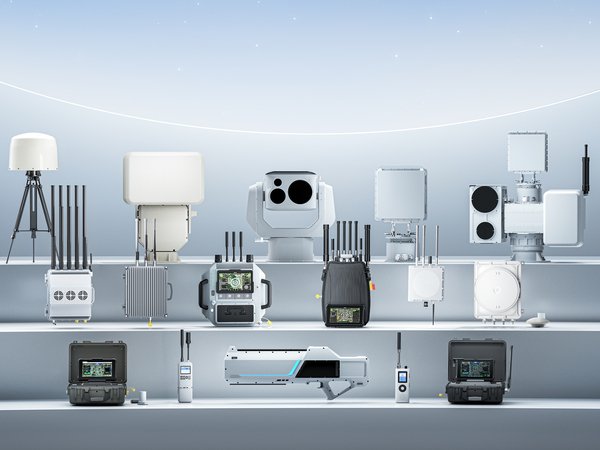
Como funciona um sistema de detecção de drones em instalações de energia?
Em instalações de energia, o tempo é o recurso mais valioso. Um drone que permanece sem ser detectado por um ou dois minutos já pode coletar informações confidenciais ou se aproximar de zonas perigosas.
Um sistema típico de detecção de drones para aplicações em usinas de energia ou subestações opera através do seguinte processo técnico:
1. Detecção de sinal ou alvo
O sistema varre continuamente o espaço aéreo circundante usando sensores de RF, radar, câmeras ópticas, ou matrizes multissensor integradas. Sistemas baseados em RF monitoram os links de comunicação entre drones e seus controladores. Sistemas de radar e ópticos monitoram alvos físicos no ar.
Esta camada atua como os “olhos e ouvidos” do sistema.
2. Análise e identificação de dados
Assim que um sinal ou alvo suspeito for capturado, o sistema analisa vários parâmetros em tempo real. Isso inclui características de sinal, comportamento de voo, velocidade, altitude, e padrões de movimento. Sistemas avançados podem até identificar marcas de drones ou protocolos de transmissão.
Esta etapa é crucial para reduzir alarmes falsos e melhorar a precisão da resposta.
3. Rastreamento de alvo e saída de alarme
Após identificação, o sistema rastreia continuamente o movimento do drone. Ao mesmo tempo, envia alertas para a plataforma de segurança, terminais móveis, ou centro de controle. Os operadores podem ver imediatamente onde o drone está, quão rápido ele está se movendo, e se está se aproximando de zonas restritas.
No setor de energia, esta janela de detecção precoce geralmente determina se um incidente pode ser evitado ou apenas registrado após o fato. A detecção cria tempo de reação. O tempo de reação cria segurança.
Que problemas os operadores de energia enfrentam sem um sistema de detecção de drones?
Sem um sistema dedicado de detecção de drones, os operadores de energia enfrentam uma série de riscos operacionais e de segurança que os métodos tradicionais de proteção simplesmente não conseguem resolver.
Primeiro, não existe uma capacidade real de alerta precoce. A maioria das instalações só toma conhecimento da atividade do drone depois que o drone já está acima do equipamento crítico. Nesse ponto, as opções são extremamente limitadas.
Segundo, o monitoramento visual é altamente não confiável em condições reais. Operações noturnas, névoa, chuva, e poeira reduzem seriamente a eficácia das câmeras. Mesmo durante o dia, pequenos drones são difíceis de identificar a longas distâncias.
Terceiro, o monitoramento manual é lento e inconsistente. Guardas e operadores ficam cansados. A atenção humana nunca é estável para operações de 24 horas.
Quarto, não existe uma cadeia de evidências confiável. Sem rastreamento e registro precisos, é difícil apoiar a investigação pós-incidente ou a aplicação da lei.
Em projetos reais, muitos operadores eventualmente percebem uma dura verdade:
“Ver algo no ar” não significa que você pode controlar o risco. A detecção deve ser estruturada, automatizado, e continuamente operacional.
Como escolher o sistema de detecção de drones certo para projetos de energia?
Selecionar um sistema de detecção de drones adequado é uma decisão estratégica de engenharia, não apenas uma compra de produto. Vários fatores essenciais devem ser avaliados no nível do projeto.
Faixa de detecção e cobertura
A distância de detecção necessária depende do tamanho da instalação e do terreno circundante. Grandes centrais elétricas e corredores de transmissão exigem monitoramento de longo alcance, enquanto subestações compactas podem se concentrar na detecção precisa de curto alcance.
Adaptabilidade Ambiental
Instalações de energia geram forte interferência eletromagnética. O sistema de detecção deve operar de forma confiável sob alta tensão, condições de alto ruído. A resistência às intempéries também é essencial para implantações externas.
Capacidade de controle de alarme falso
Altas taxas de falsos alarmes levam à fadiga dos alarmes e ao desperdício de mão de obra. Um sistema profissional deve fornecer precisão de identificação estável em ambientes industriais complexos.
Desempenho de detecção de múltiplos alvos
As ameaças modernas de drones não estão limitadas a unidades únicas. O sistema deve rastrear e gerenciar vários drones simultaneamente sem degradação do desempenho.
Integração com Sistemas Contra-Drone
Um sistema de detecção deve interagir perfeitamente com dispositivos de interferência ou interceptação. A detecção sem capacidade de resposta é uma proteção incompleta.
Adaptação de frequência e conformidade legal
A conformidade regulatória varia de acordo com o país e a região. O sistema de detecção deve suportar personalização de frequência para atender aos padrões locais.
Estratégias de implantação em nível de orçamento
Pequenas subestações podem implantar unidades compactas de detecção de RF. Usinas de energia de média escala geralmente requerem RF integrada + soluções ópticas. Grandes parques energéticos dependem frequentemente de sistemas multissensores em rede. Um bom fornecedor sempre combinará a arquitetura do sistema com as necessidades operacionais reais.
Se você está planejando atualmente uma atualização de segurança para um sistema de detecção de drones para usina ou subestação, uma pesquisa técnica do local é sempre o primeiro passo mais inteligente. Em muitos casos, evita o excesso de investimento e a subproteção.
Tendências Futuras dos Sistemas de Detecção de Drones na Indústria Energética
A tecnologia de detecção de drones está evoluindo rapidamente junto com o crescimento das redes inteligentes e da infraestrutura de energia digital.
Uma tendência importante é a adoção de reconhecimento de sinal baseado em IA, o que melhora significativamente a precisão da identificação em ambientes de RF complexos.
Outra tendência é o gerenciamento centralizado baseado em nuvem. Grupos de energia com múltiplas instalações agora podem gerenciar a detecção de drones em diferentes locais a partir de uma única plataforma de controle.
A operação remota e a coordenação multilocal estão se tornando padrão em grandes redes de energia. Os sistemas de detecção não são mais dispositivos isolados. Eles estão se tornando parte de um ecossistema de segurança integrado.
A detecção anti-enxame também está ganhando atenção. À medida que a tecnologia de enxame de drones se desenvolve, futuros sistemas de detecção devem ser capazes de lidar com múltiplos alvos simultâneos.
Finalmente, a integração profunda com redes inteligentes e plataformas de segurança física definirá o próximo estágio da arquitetura de proteção de energia.
Construa hoje mesmo seu sistema de detecção de drones personalizado
Cada projeto de energia é diferente. O mesmo ocorre com todo ambiente de ameaça. Uma solução padrão pronta para uso raramente é suficiente para a segurança energética a longo prazo.Se você é responsável por:- Usinas de energia
- Subestações
- Parques eólicos
- Estações de energia solar
- Projeto personalizado de sistema de detecção de drones
- Seleção de soluções técnicas e planejamento de parâmetros
- Preços em nível de projeto e recomendações de implementação
- Uma breve discussão técnica hoje pode evitar um grave incidente de segurança amanhã.
Perguntas frequentes de clientes do setor de energia
O bloqueio é seguro para equipamentos de instalações de energia?
Sim. Os sistemas de interferência profissionais são ajustados para frequências específicas de drones. Eles não interferem nos sistemas de controle industrial quando configurados corretamente.
Um sistema anti-drone portátil pode funcionar em ambientes altamente eletromagnéticos?
Sim. Dispositivos de nível industrial são projetados para operar em ambientes de RF complexos, como subestações.
Quão rápido o sistema pode responder a uma ameaça de drone?
A maioria dos sistemas de interferência responde segundos após a detecção.
É legal usar bloqueadores em instalações de energia??
Os regulamentos variam de acordo com o país. Fornecedores profissionais sempre projetam sistemas de acordo com as leis locais. Veja mais informações sobre Status de legalidade do Drone Jammer em 2026.
Um sistema pode proteger vários sites?
Sistemas portáteis podem ser reimplantados. Os sistemas fixos geralmente protegem uma área definida.
Se você tiver alguma outra dúvida, por favor Contate-nos para obter mais informações.