 RagineTech
Introducere: Înțelegerea amenințărilor cu roiurile de drone și nevoia de bruiaj
Odată cu progresul rapid al tehnologiei roiului de drone, sistemele tradiționale de apărare cu un singur punct sunt din ce în ce mai insuficiente. Roiurile de drone se pot apropia de ținte în formațiuni coordonate, functioneaza la altitudini joase, și evitați detectarea radar convențională, creând provocări semnificative de securitate pentru infrastructura critică, facilitati militare, și zonele urbane sensibile. Una dintre cele mai eficiente metode de atenuare a acestor amenințări este utilizarea RF, GPS, și tehnologiile de bruiaj cu laser. Aceste soluții de bruiaj contra-drone perturbă comunicarea, navigare, și sistemele de senzori ale roiurilor de UAV, reducerea eficacității operaționale a acestora și prevenirea eventualelor daune.
Acest articol oferă o explicație detaliată a frecventa radio (RF) bruiaj, Bruiaj GPS, și bruiaj laser, evidențiind aplicațiile acestora, punctele forte, limitări, și integrarea în arhitecturile moderne de apărare contra-drone.
Frecvența radio (RF) Tehnologia de bruiaj
Cum funcționează RF Jamming
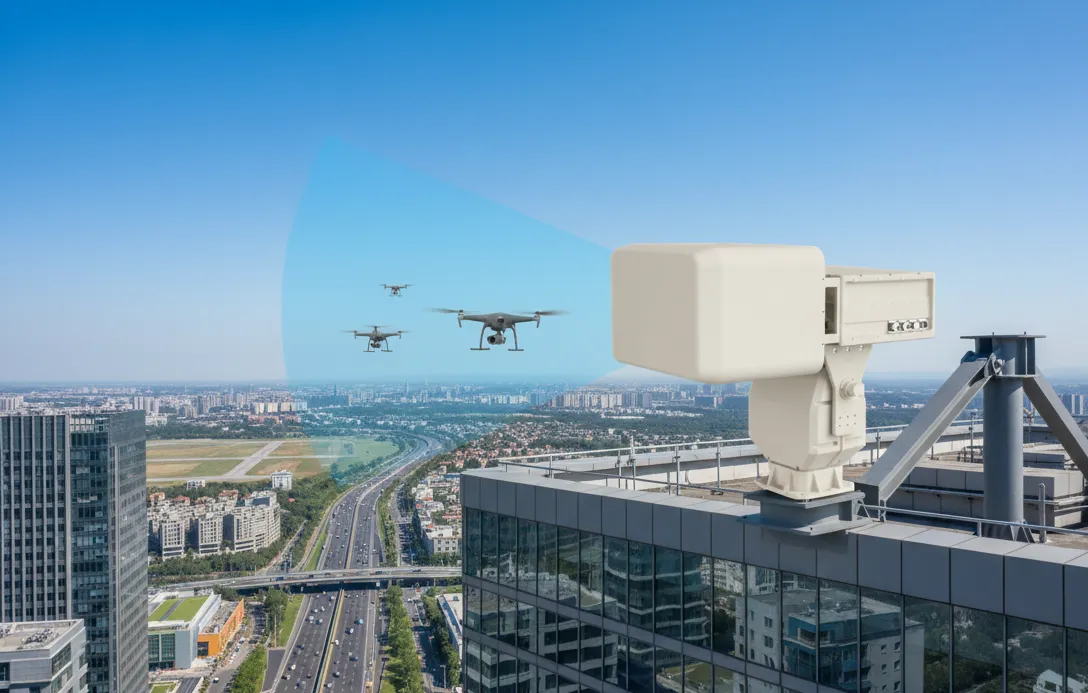
Bruiajul RF vizează legăturile de comunicație și semnalele de control dintre drone și operatorii acestora. Prin emiterea de semnale de radiofrecvență pe aceleași benzi de frecvență folosite de drone, Brumatoarele RF pot întrerupe comanda și controlul (C2) link-uri, forțând dronele să-și piardă conectivitatea sau să intre într-un mod de siguranță. Dispozitivele obișnuite de bruiaj RF includ pistoale de bruiaj direcționale, sisteme montate pe vehicul, și instalații fixe care acoperă zone operaționale largi.
Avantajele bruiajului RF
- Eficient împotriva mai multor drone simultan într-o zonă locală
- Poate viza anumite benzi de frecvență pentru a minimiza interferențele colaterale
- Sunt disponibile soluții portabile pentru scenarii de răspuns rapid
Limitări
- Necesită inteligență în frecvență pentru a viza în mod eficient anumite modele UAV
- Eficacitate limitată împotriva dronelor criptate sau autonome
- Potenţiale interferenţe cu sistemele de comunicaţii din apropiere dacă nu sunt calibrate cu atenţie
Cazuri de utilizare
Bruiajul RF este de obicei folosit pentru a proteja aeroporturi, baze militare, și infrastructura critică, prevenirea intruziunii sau întreruperii neautorizate a dronei în timpul operațiunilor sensibile.
Tehnologia de bruiaj GPS
Cum funcționează blocarea GPS
Bruiajul GPS interferează cu semnalele de navigație prin satelit pe care se bazează dronele pentru poziționare și controlul traiectoriei de zbor. Prin transmiterea semnalelor de mare putere la frecvențele GPS, bruiajele pot determina dronele să calculeze greșit locația lor, pierde capacitatea de navigare, sau reveniți la punctele de acasă incorecte.
Avantajele bruiajului GPS
- Dezactivează dronele autonome și semi-autonome care depind de GPS
- Eficient pentru acoperirea unei suprafețe mari cu sisteme fixe sau montate pe vehicul
- Poate completa bruiajul RF pentru a neutraliza atacurile complexe de roi
Limitări
- Mai puțin eficient împotriva dronelor echipate cu sisteme de navigație alternative (GLONASS, Galileo, navigare vizual-inerțială)
- Risc de perturbare a serviciilor GPS civile din zona înconjurătoare
- Unitățile portabile au o gamă limitată în comparație cu instalațiile fixe
Cazuri de utilizare
Bruiajul GPS este deosebit de potrivit pentru apărarea perimetrală a instalaţiilor militare, clădiri guvernamentale, și evenimente mari, deoarece vizează direct una dintre cele mai critice dependențe ale amenințărilor moderne fără echipaj și cu precizie: navigație prin satelit. Când se aplică într-un mod controlat, context defensiv, Bruiajul GPS oferă o combinație de eficacitate, scalabilitate, și eficiența costurilor pe care puține alte contramăsuri o pot egala.
Tehnologia de bruiaj cu laser
Cum funcționează blocajul laser
Blocarea cu laser folosește fascicule de înaltă energie pentru senzori optici țintă precum camerele foto, LiDAR, și fotodetectoare pe drone. Prin orbirea sau deteriorarea temporară a acestor senzori, bruiajele laser pot perturba zbor autonom, achizitia tinta, și navigare bazată pe imagini, făcând drona ineficientă.
Avantajele bruiajului cu laser
- Direcționare extrem de precisă cu interferențe colaterale minime
- Eficient în medii cu densitate electromagnetică ridicată în care bruiajul RF/GPS poate avea probleme
- Timp de răspuns rapid și intensitate reglabilă pentru diferite niveluri de amenințare
Limitări
- Performanță afectată de condițiile meteorologice (ploaie, ceaţă, praf) și constrângeri de linie de vedere
- Necesită urmărirea continuă a țintei pentru a menține efectul de bruiaj
- De obicei, mai costisitoare decât soluțiile de bruiaj RF sau GPS
Cazuri de utilizare
Bruiajul laser este implementat pentru protecția activelor de mare valoare, inclusiv infrastructura critică, echipament militar, și securitatea evenimentelor VIP, unde sunt necesare precizie și întrerupere minimă a sistemelor din jur.
Compararea RF, GPS, și Tehnologii de bruiaj cu laser
| Tehnologie | Sistemul vizat | Avantaje | Limitări | Cele mai bune cazuri de utilizare |
|---|---|---|---|---|
| Bruiaj RF | Legături de comunicare | Acoperire largă, desfășurare rapidă, neutralizare multi-UAV | Specific de frecvență, posibilă interferență colaterală | Aeroporturi, supraveghere urbană, răspuns tactic |
| Blocaj GPS | Sisteme de navigație | Eficient împotriva dronelor autonome, completează bruiajul RF | Sisteme alternative de navigație, posibilă întrerupere a GPS-ului civil | Apărare perimetrală, infrastructura critică, evenimente mari |
| Blocaj laser | Senzori optici | Foarte precis, răspuns rapid, interferență RF minimă | Depinde de vreme, linia de vedere necesară, cost mai mare | Ținte de mare valoare, Protectie VIP, instalatii sensibile |
Integrarea tehnologiilor de bruiaj în sistemele de apărare împotriva dronelor
Strategiile moderne de contra-drone se combină RF, GPS, și tehnologiile de bruiaj cu laser cu sisteme de detectare precum radarul, electro-optic, si senzori acustici. Această abordare pe mai multe straturi asigură:
- Detectarea precoce și identificarea precisă a roiurilor de drone
- Atenuare stratificată pentru a aborda diferiți vectori de amenințare (comunicare, navigare, senzori)
- Flexibilitate operațională sporită pentru urban, rural, și medii critice ale instalațiilor
Prin proiectarea unui sistem contra-drone multistrat, organizațiile pot maximiza protecția minimizând în același timp riscurile pentru sistemele și serviciile publice adiacente.
Concluzie
RF, GPS, și tehnologiile de bruiaj cu laser sunt componente critice în apărarea împotriva roiurilor de drone din ce în ce mai sofisticate. Fiecare tehnologie oferă puncte forte unice și se confruntă cu limitări specifice, făcând esențială desfășurarea unui multistrat, strategie de apărare integrată. Prin înțelegerea acestor tehnologii și a aplicațiilor lor, organizațiile pot proteja în mod proactiv infrastructura critică, facilitati militare, și medii urbane sensibile de amenințările emergente ale roiurilor coordonate de UAV.
Pentru o prezentare cuprinzătoare a amenințărilor roiului de drone, metode de detectare, și strategii de contramăsuri, vizitați pagina noastră Cercetări privind amenințările roiului de drone și tehnologiile împotriva roiului de drone.