 РагинТех
Введение в технологию Drone Swarm и риски безопасности
Технология роя дронов представляет собой фундаментальный сдвиг в том, как развертываются и управляются беспилотные авиационные системы.. Понимание ее операционной логики и связанных с ней рисков безопасности имеет важное значение для оценки того, почему традиционные меры защиты на малых высотах становятся все более неадекватными при столкновении с скоординированными роевыми угрозами..
Что такое рой дронов?
Технология роя дронов — это распределенное применение беспилотных летательных аппаратов. (БПЛА) который имитирует коллективное поведение естественных стай, таких как пчелы или птицы.. Благодаря коммуникации между дронами и алгоритмам совместной работы, несколько дронов могут обмениваться информацией, координировать задачи, и выполнять миссии как интегрированную систему, а не как изолированные платформы.
Чем стаи дронов отличаются от операций с одним БПЛА?
В отличие от традиционных операций с использованием одного дрона, Рои дронов подчеркивают децентрализацию, избыточность, и сотрудничество. Каждый дрон функционирует как узел в сети., возможность обмена данными в реальном времени, адаптивное планирование пути, и согласованное принятие решений. Это значительно повышает эксплуатационную гибкость., эффективность миссии, и устойчивость к частичным сбоям системы.
Почему рои дронов создают новую проблему безопасности на малых высотах?
Рои дронов повышают эффективность и масштабируемость гражданских и военных приложений., их быстрое развитие создало серьезные угрозы безопасности. Инциденты с участием роев дронов, нарушающих работу аэропортов, проведение несанкционированного наблюдения, и кража конфиденциальной информации уже произошли во всем мире.. По сравнению с угрозами с одиночными БПЛА, роевые атаки, характеризующиеся большим количеством, высокоскоростной, и сильная координация создают беспрецедентные проблемы для традиционных маловысотных систем безопасности и противовоздушной обороны..
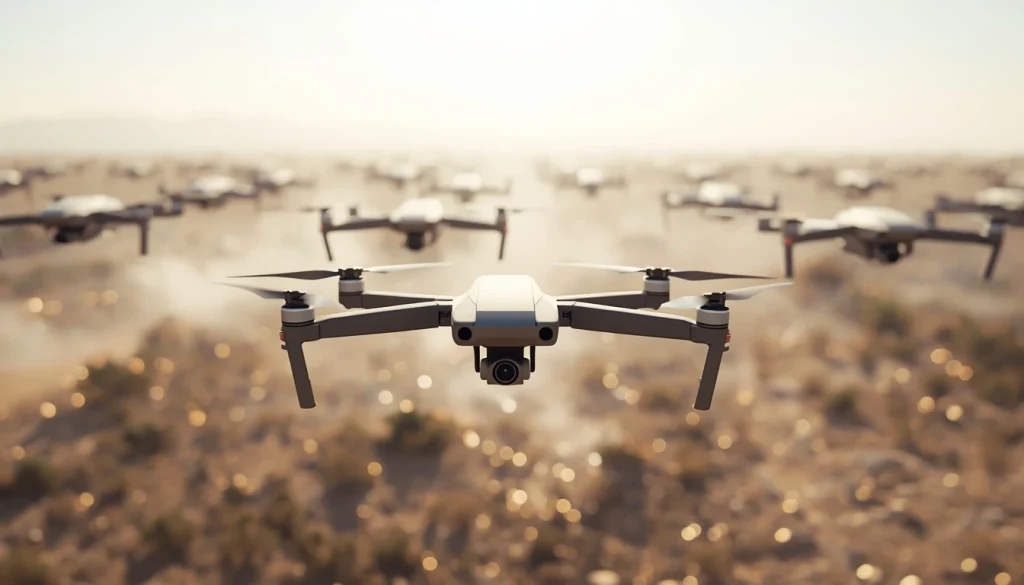
Рой дронов
Ключевые характеристики угроз от атак роя дронов
Атаки роя дронов значительно отличаются от угроз обычных БПЛА из-за своего масштаба., координация, и адаптируемость. Путем анализа основных характеристик угроз, исходящих от роев дронов., Специалисты по планированию безопасности могут лучше оценивать уровни риска и разрабатывать контрмеры, адаптированные к сценариям групповых атак..
Внезапные и скрытые разнонаправленные атаки
Отдельные дроны в стае обычно имеют небольшой размер и чрезвычайно низкую эффективность радиолокационного воздействия., иногда так низко, как 0.01 квадратные метры. Полет на малых или очень малых высотах., они могут использовать маскировку местности для скрытного подхода к целям. Стаи дронов могут одновременно атаковать с нескольких направлений, делая время и направления атак крайне непредсказуемыми и оставляя защитникам минимум окон раннего предупреждения..
Скоординированные массовые атаки и разрушительный потенциал
Хотя грузоподъемность одного дрона ограничена, Численное преимущество стаи и возможность скоординированной атаки могут привести к значительному ущербу.. Рой дронов может нести взрывчатку, зажигательные устройства, или другие полезные нагрузки для нанесения ударов по критически важной инфраструктуре, такой как электроподстанции., базовые станции связи, и транспортные узлы. Точные удары по ключевым компонентам, таким как трансформаторы или автоматические выключатели, могут вызвать массовые сбои в работе служб и каскадные социальные последствия..
Информационные помехи, Разведка, и кража данных
Рои дронов также обладают мощными возможностями ведения информационной войны.. Путем развертывания средств радиоэлектронного подавления, они могут мешать сетям связи, радиолокационные системы, и навигационная инфраструктура, потенциально делая их неработоспособными. Параллельно, бортовые датчики, такие как камеры и приемники сигналов, позволяют собирать крупномасштабные данные. В военном контексте, это поддерживает сбор разведданных на поле боя; в гражданской среде, это вызывает серьезные опасения по поводу промышленного шпионажа и безопасности персональных данных..
Почему рои дронов трудно обнаружить, Отслеживать, и перехват?
Большое количество целей и высокая степень координации в группах дронов подавляют традиционные системы защиты.. Дорогие ракеты ПВО экономически неустойчивы против недорогих дронов, в то время как их скорость реакции и возможности перехвата зачастую недостаточны. Более того, Рои дронов могут динамически менять свои порядки и тактику в ответ на контрмеры., еще больше усложняет непрерывное отслеживание и устойчивый перехват..
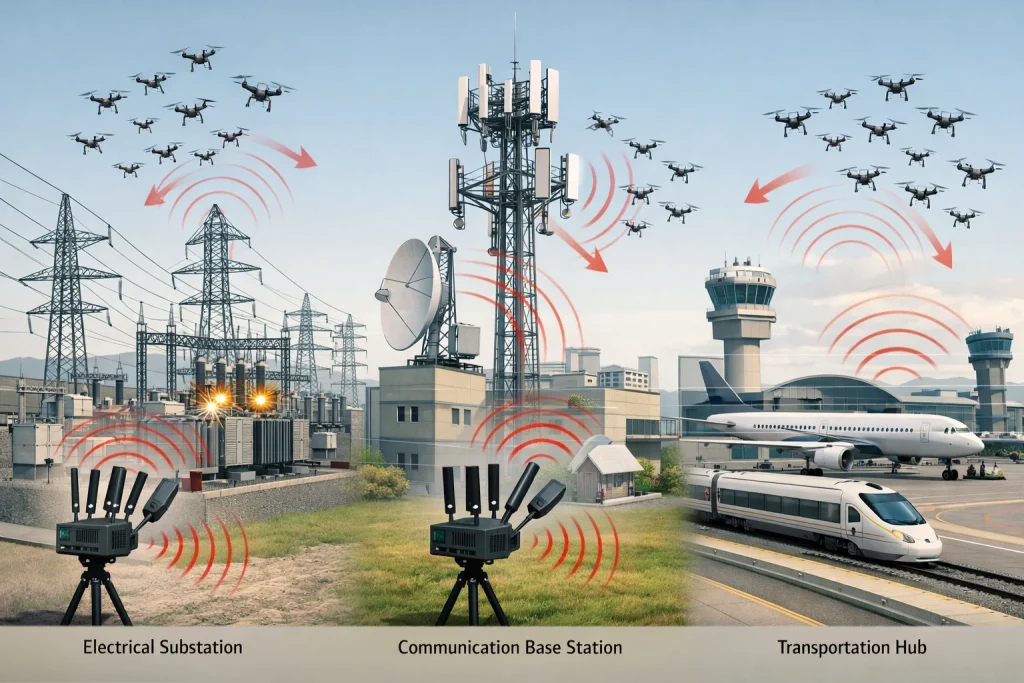
Почему традиционные системы противодействия дронам борются с роями
Большинство существующих систем противодействия дронам изначально были разработаны для борьбы с изолированными или малочисленными вторжениями БПЛА.. Столкнувшись с масштабным, скоординированные рои дронов, эти системы обнаруживают структурные и экономические ограничения, которые значительно снижают их защитную эффективность..
Ограничения систем обнаружения одиночной цели
Обычные системы противодействия дронам в первую очередь предназначены для обнаружения и поражения отдельных БПЛА.. В сценариях роя, эти системы с трудом поддерживают стабильное отслеживание на нескольких малых высотах., медленный, и близко расположенные цели, что приводит к пробелам в обнаружении и задержке реагирования.
Дисбаланс затрат между дронами и обычной ПВО
Экономическая асимметрия между роями дронов и традиционными решениями ПВО очевидна.. Одна ракета-перехватчик может стоить сотни тысяч долларов., в то время как отдельные дроны в стае могут стоить всего несколько сотен долларов. Этот дисбаланс делает традиционные стратегии кинетического перехвата непрактичными для крупномасштабных роевых угроз..
Скорость реакции и проблемы насыщения
Рои дронов могут насытить системы обнаружения и перехвата благодаря простому количеству. Даже когда некоторые дроны нейтрализуются, другие могут адаптировать свои маршруты и продолжить миссию., снижение общих показателей успешного перехвата в смоделированных и реальных сценариях.
Технологии обнаружения для систем противодействия рою дронов
Эффективная защита от роя дронов начинается с надежное обнаружение и раннее предупреждение. Обнаружение нескольких низковысотных, тихоходный, и небольшие БПЛА одновременно требуют интеграции дополнительных технологий зондирования, способных работать в сложных электромагнитных условиях и условиях окружающей среды..
Радарное обнаружение роев дронов
Радар остается основным методом обнаружения в системах борьбы с дронами.. Несколько входов, несколько выходов (МИМО) радар улучшает обнаружение маловысотных, тихоходный, и небольшие цели путем передачи нескольких ортогональных сигналов. Радар с синтезированной апертурой (САР) дополнительно позволяет получать изображения и отслеживать траектории роев дронов на больших расстояниях.. Однако, Производительность радара может ухудшиться в сложных электромагнитных условиях, что требует усовершенствованных алгоритмов защиты от помех и методов обработки сигналов..
Электрооптические и инфракрасные технологии обнаружения
Электрооптическое обнаружение сочетает в себе видимый свет и инфракрасное зондирование для идентификации роев дронов.. Инфракрасные датчики обнаруживают тепловые выбросы от двигателей и энергосистем., обеспечивает высокую чувствительность в условиях низкой высоты. Камеры видимого света, при интеграции с алгоритмами распознавания изображений на основе искусственного интеллекта, может классифицировать типы дронов и отслеживать траектории полета в режиме реального времени. Неблагоприятные погодные условия, такие как туман, дождь, или низкая видимость остаются ключевым ограничением, стимулирование потребности в технологиях адаптивного улучшения изображений.
Читать далее: Электрооптический & Системы акустического обнаружения для защиты от роя дронов
Акустическое обнаружение роев низковысотных дронов
Системы акустического обнаружения используют массивы микрофонов для улавливания сигнатур шума дронов на определенных частотах.. Применяя алгоритмы обработки сигналов, эти системы могут оценить положение дрона, скорость, и количество. Акустическое обнаружение особенно эффективно в городских условиях или на сложной местности., хотя помехи от шума окружающей среды остаются серьезной проблемой, требующей постоянных улучшений в фильтрации шума и выделении признаков..
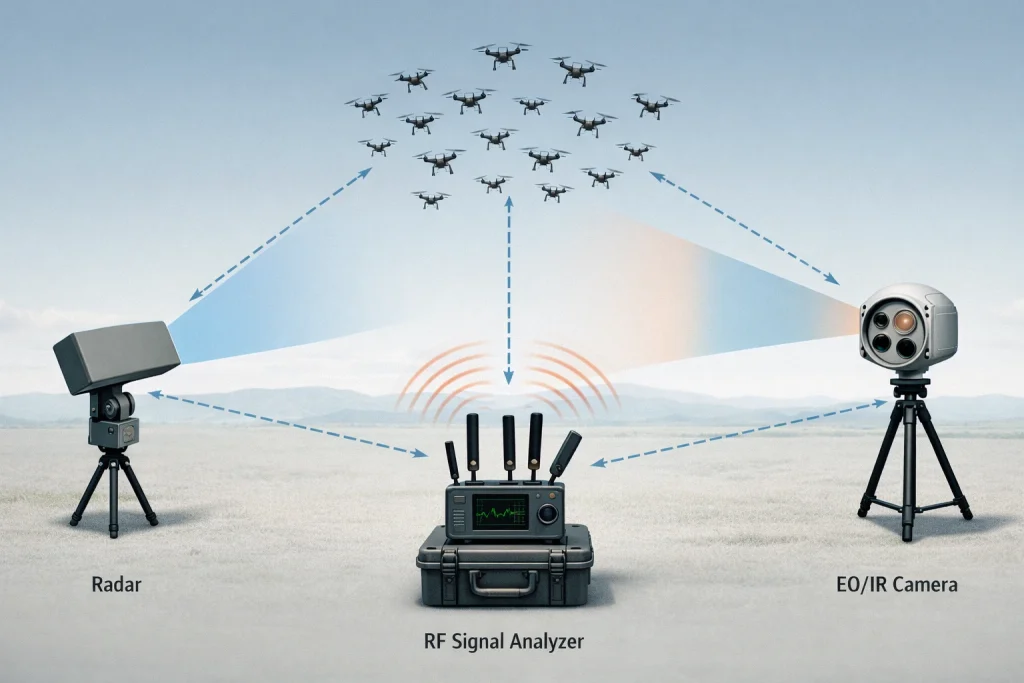
Сравнение радиолокационных помех GPS для технологий борьбы с дронами
Технологии подавления, используемые против роев дронов
Технологии создания помех составляют основной компонент активной защиты от роя дронов, нарушая связь., навигация, и сенсорные способности. Различные подходы к созданию помех дают определенные преимущества в зависимости от расстояния поражения., экологические ограничения, и масштаб угрозы роя дронов.
Радиочастота (РФ) Технология подавления
Радиочастотные помехи нарушают каналы связи и управления дронами, передавая сигналы помех на определенных частотах.. Устройства направленного радиочастотного подавления могут точно нацеливаться на отдельные дроны на коротких дистанциях., в то время как системы, установленные на транспортных средствах, обеспечивают более широкое покрытие, способное одновременно создавать помехи нескольким дронам.. По мере развития возможностей защиты от помех дронов, Стратегии радиопомех должны постоянно адаптироваться за счет оптимизации управления частотой и распределения мощности..
Помехи GPS и нарушение навигации
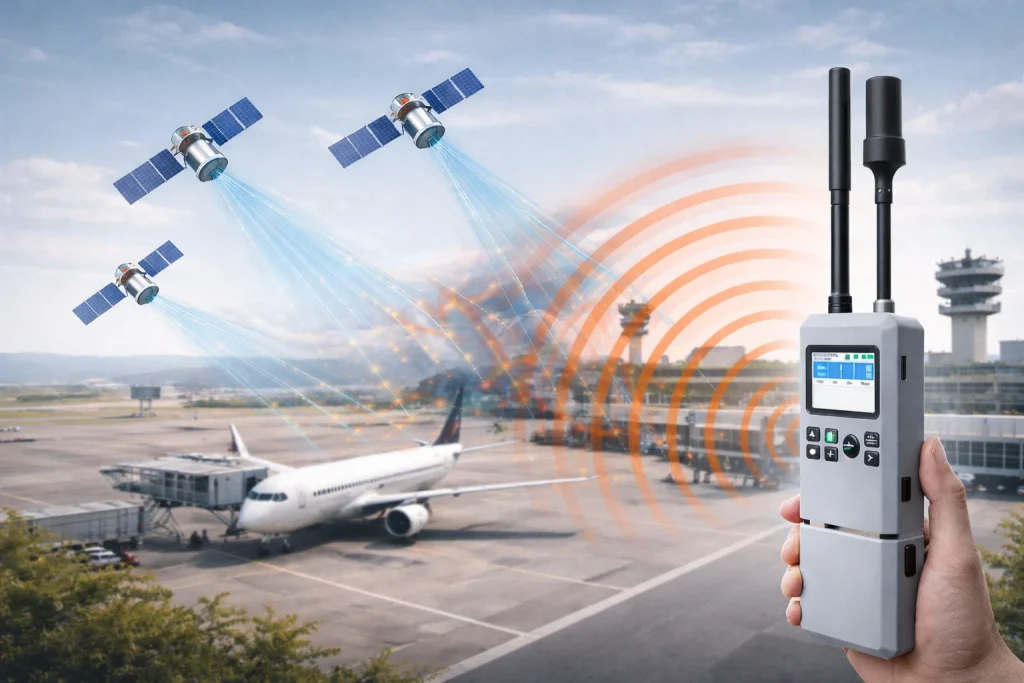
Помехи GPS создают помехи сигналам спутниковой навигации, излучая мощные электромагнитные помехи на тех же частотах.. Когда приемники дронов перегружены сигналами помех, они могут потерять точное позиционирование, время, и данные о скорости, ведущие к дезориентации или провалу миссии. Ручные глушители GPS подходят для работы на небольшом расстоянии., сценарии быстрого реагирования, в то время как стационарные системы могут создавать защитные зоны большой площади вокруг аэропортов., военные базы, и другие критически важные объекты.
Лазерное подавление и электрооптическое подавление
Лазерное подавление использует лучи высокой энергии, чтобы ослепить или повредить оптические датчики дронов., ухудшение их навигационных возможностей и возможностей выполнения миссий. Этот метод обеспечивает высокую точность, быстрый ответ, и минимальное электромагнитное воздействие на окружающие системы. Однако, эффективность лазера сильно зависит от погодных условий, требующие адаптивного излучения и механизмов слежения для смягчения атмосферного ослабления.
Технологии управления роем для скоординированных мер противодействия
Рои дронов становятся более автономными и скоординированными, меры противодействия должны выходить за рамки подавления отдельных целей. Технологии контроля роя сосредоточены на влиянии или нарушении коллективного поведения., позволяя защитникам нейтрализовать несколько дронов посредством системного вмешательства.
Что такое роевой контроль в системах борьбы с дронами?
Технология управления роем фокусируется на нарушении логики совместной работы и механизмов принятия решений стаями дронов, а не нацеливании на отдельные платформы.. Путем вмешательства в роевые сети связи и алгоритмы координации., защитники могут подавить, фрагмент, или нейтрализовать несколько дронов одновременно.
Групповое подавление связи и нарушение работы сети
Этот подход нацелен на протоколы связи, которые обеспечивают координацию роя.. Путем генерации адаптированных сигналов помех или помех, специфичных для протокола., роевые формирования могут быть дестабилизированы, снижение их операционной эффективности. Требуется непрерывная адаптация, поскольку протоколы роевой связи становятся все более зашифрованными и сложными..
Обманчивые помехи и ложная подача команд
Обманчивые помехи вводят в заблуждение группы дронов, вводя ложные навигационные данные или команды управления.. Это может привести к тому, что дроны отклонятся от намеченных траекторий., неправильно идентифицировать цели, или вернуться в неправильные места. Успешная реализация требует глубоких знаний алгоритмов управления роем и мониторинга в реальном времени для динамической корректировки ложных сигналов..
Интеллектуальные роевые системы противодействия дронам и защита на основе искусственного интеллекта
Искусственный интеллект обеспечивает новый уровень адаптивности и автоматизации в операциях по борьбе с роем дронов. Используя анализ на основе данных и алгоритмы прогнозирования, интеллектуальные системы защиты могут более эффективно реагировать на динамичные и быстро развивающиеся роевые угрозы.
Распознавание угроз и анализ поведения на основе искусственного интеллекта
Искусственный интеллект позволяет в режиме реального времени отслеживать и анализировать поведение роя дронов.. Алгоритмы машинного обучения могут определять шаблоны атак, предсказать намерения стаи, и обеспечивать ранние предупреждения до того, как будут выполнены скоординированные действия.
Предиктивная защита и автоматическое распределение мер противодействия
Интеллектуальные системы противодействия дронам могут автоматически определять обнаружение, глушение, и ресурсы перехвата на основе оценок угроз в реальном времени. Это повышает скорость реагирования и эффективность работы в сложных и быстро меняющихся средах..
Проблемы данных, Алгоритмы, и безопасность системы
Несмотря на свои преимущества, Противодействия на основе искусственного интеллекта требуют больших объемов высококачественных обучающих данных и надежных вычислительных ресурсов.. Они также сталкиваются с рисками, связанными с подделкой алгоритмов и состязательными атаками., необходимость постоянного улучшения безопасности и надежности системы..
Интегрированные решения для защиты от роя дронов и варианты использования
В реальных развертываниях, Эффективность противодействия рою дронов зависит от того, насколько хорошо обнаружено, глушение, и технологии управления интегрированы в комплексные оборонные решения. Различные операционные среды требуют индивидуальной системной архитектуры и стратегий развертывания..
Защита аэропортов и критически важной инфраструктуры
Интегрированные системы противодействия дронам, объединяющие радар, электрооптические датчики, и технологии постановки помех необходимы для защита аэропортов, энергетические объекты, и коммуникационные узлы от вторжений и атак роя дронов.
Военные базы и защита чувствительных объектов
В военной среде, многоуровневая и интеллектуальная защита от роя дронов обеспечивает раннее предупреждение, скоординированное подавление, и устойчивая защита от крупномасштабных групповых атак.
Масштабные события и сценарии городской безопасности
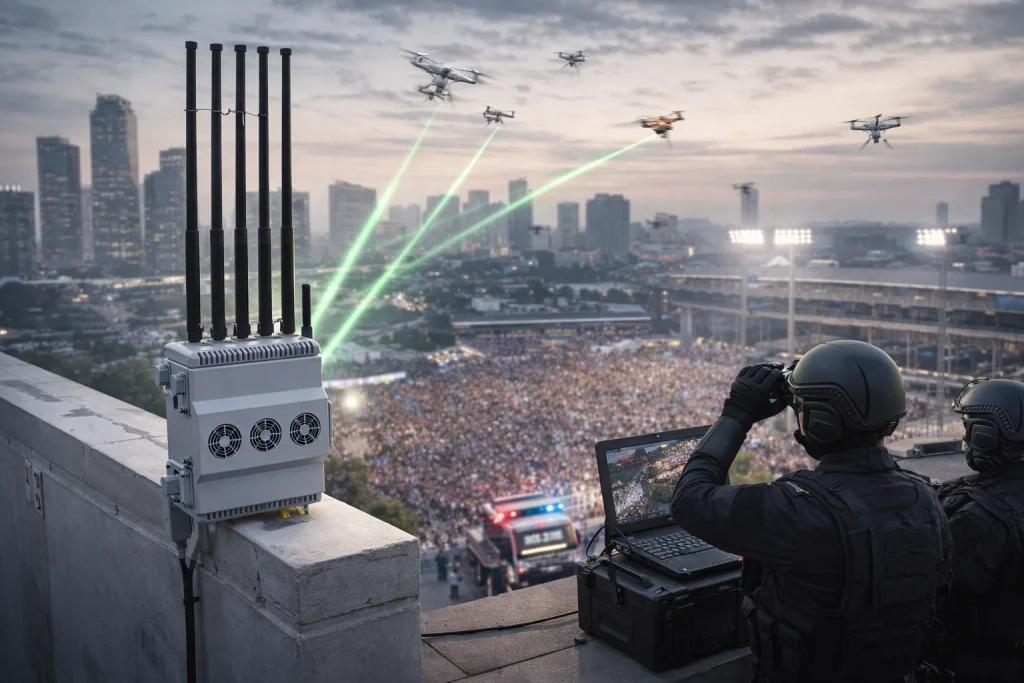
Для крупных общественных мероприятий и городских территорий, мобильные и гибкие решения для борьбы с дронами обеспечивают быстрое развертывание и локализованную защиту от несанкционированных роев дронов..
Будущие тенденции в области угроз роя дронов и технологий борьбы с дронами
Технологическая эволюция роев дронов и средств противодействия продолжается.. Прогнозирование будущих моделей угроз и требований обороны имеет решающее значение для поддержания долгосрочной эффективности безопасности как в гражданской, так и в военной сфере..
Повышение автономности и интеллекта роев дронов
Достижения в области автономного управления и искусственного интеллекта еще больше повысят адаптивность и координацию роев дронов., увеличение сложности связанных угроз.
Эволюция в сторону многоуровневой и системной защиты
Будущие стратегии борьбы с дронами будут все больше опираться на многоуровневые, интегрированные системы, сочетающие в себе обнаружение, глушение, обман, и интеллектуальное управление в различных операционных областях.
Регуляторные последствия и последствия для безопасности
По мере расширения возможностей роя дронов, нормативно-правовая база и политика безопасности должны развиваться для устранения возникающих рисков при одновременной поддержке законных приложений..
Вывод: построение эффективной защиты от угроз роя дронов
Угрозы роя дронов представляют собой постоянную и развивающуюся проблему для обеспечения безопасности на малых высотах.. Объединение технического анализа и оборонных стратегий, обсуждавшихся выше, обеспечивает основу для принятия обоснованных решений и долгосрочного планирования борьбы с дронами..
Почему так важна мультисенсорная и многоуровневая защита
Угрозы роя дронов не могут быть эффективно смягчены с помощью одноточечных решений.. Мультисенсорное слияние и многоуровневая оборонная архитектура имеют решающее значение для достижения надежного обнаружения, своевременный ответ, и устойчивая защита.
Ключевые выводы для лиц, принимающих решения в области безопасности и обороны
Для устранения растущих рисков, связанных с роями дронов, заинтересованные стороны должны инвестировать в интегрированные, разумный, и адаптируемые технологии борьбы с роем дронов, которые уравновешивают эффективность, экономическая эффективность, и операционная гибкость.