 RagineTech
Pistola antidrones para protección de infraestructuras críticas: Lo que los compradores deben saber antes de realizar la adquisición
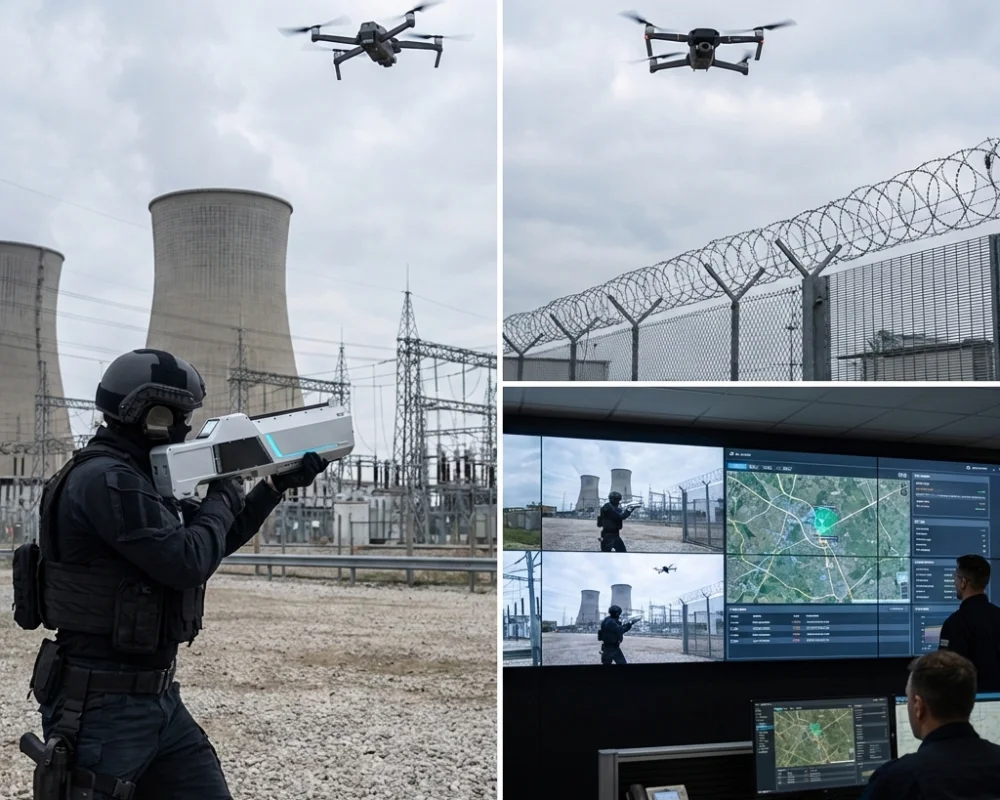
Los vehículos aéreos no tripulados ya no se limitan al uso recreativo o comercial. En los últimos años, Los drones no autorizados y maliciosos se han convertido en una grave amenaza para la infraestructura crítica., incluyendo plantas de energía, aeropuertos, instalaciones de petróleo y gas, centros de datos, puertos, y edificios gubernamentales.
Para organizaciones responsables de proteger estos activos de alto valor, la pregunta ya no es si Se requiere capacidad contra drones, pero ¿qué solución ofrece una protección confiable?, cumplimiento legal, y eficiencia operativa.
Entre tecnologías contra-UAS disponibles, La pistola anti drones se ha convertido en la opción preferida de muchos usuarios profesionales debido a su movilidad, precisión, y capacidad de respuesta inmediata. Sin embargo, Las decisiones de adquisición requieren más que una comprensión superficial..
Esta guía explica Lo que los compradores deben evaluar antes de adquirir un arma antidrones para la protección de infraestructuras críticas., Ayudar a los tomadores de decisiones a evitar errores costosos y seleccionar soluciones que funcionen en entornos del mundo real..
Por qué la infraestructura crítica es el objetivo principal de las amenazas de los drones
Los sitios de infraestructura crítica presentan perfiles de riesgo únicos:
Grandes espacios físicos y perímetros abiertos
Activos de alto valor o peligrosos
Operaciones continuas con tolerancia cero a las interrupciones.
Estrictos requisitos normativos y de seguridad.
Se pueden utilizar drones no autorizados para vigilancia, contrabando, interferencia de señal, o ataques físicos, creando tiempo de inactividad operativa, peligros de seguridad, y daño reputacional.
Medidas de seguridad tradicionales: vallas, camaras, Radar, y patrullas—no fueron diseñados para detectar o neutralizar vuelos de baja altitud, amenazas aéreas de movimiento lento. Esta brecha ha impulsado una creciente adopción de sistemas de armas anti drones como parte de estrategias de defensa en capas.
¿Qué es una pistola antidrones y cómo funciona??
Un pistola anti drones es un portátil, dispositivo direccional contra drones diseñado para interrumpir los sistemas de comunicación y navegación de un dron utilizando interferencias electromagnéticas específicas.
A diferencia de los sistemas de interferencia de área amplia, un arma anti-drones permite a los operadores:
Identificar visualmente una amenaza
Apunta a un dron específico
Neutralícelo con interferencias de RF controladas
Los métodos de interrupción típicos incluyen:
Interferencia del enlace de control (desconecta el dron del operador)
Interferencia GNSS/GPS (las fuerzas flotan, aterrizaje, o regresar)
Cobertura multibanda para drones comerciales y modificados
Este enfoque controlado es particularmente valioso en entornos de infraestructura crítica, donde la precisión y la seguridad son esenciales.
Ventajas clave del uso de un arma antidrones para infraestructura crítica
1. Compromiso de precisión en entornos sensibles
Los sitios de infraestructura crítica a menudo operan cerca de áreas pobladas, corredores de aviones, u otros sistemas sensibles a RF. Un arma anti drones proporciona interferencia direccional y de área limitada, reducir el riesgo de impacto colateral en las comunicaciones autorizadas.
2. Respuesta rápida sin instalación fija
A diferencia de los bloqueadores fijos o los sistemas cinéticos, armas anti drones:
No requieren infraestructura permanente
Puede ser implementado inmediatamente por personal capacitado.
Son adecuados para escenarios de amenazas temporales o en evolución.
Esto los hace ideales para subestaciones eléctricas, unidades de mando móviles, puertos, e instalaciones remotas.
3. Capacidad rentable de contradrones
Desde una perspectiva de adquisiciones, un arma anti drones normalmente ofrece:
Menor inversión inicial en comparación con las plataformas C-UAS integradas
Costos mínimos de instalación
Requisitos de mantenimiento reducidos
Para organizaciones que buscan alto retorno de la inversión sin sobreingeniería de su sistema de defensa, esta es una ventaja crítica.
Factores técnicos críticos que los compradores deben evaluar
No todas las soluciones de armas anti drones son iguales. Antes de la adquisición, Los compradores deben evaluar cuidadosamente los siguientes criterios.:
Cobertura de frecuencia
Asegúrese de que el arma anti-drones sea compatible frecuencias multibanda, comúnmente incluyendo:
bandas ISM (2.4 GHz, 5.8 GHz)
Bandas GNSS (GPS, GLONASS, galileo, Beidou)
Bandas extendidas opcionales para drones personalizados
La cobertura de frecuencia limitada puede dejar lagunas explotables por vehículos aéreos no tripulados modificados.
Alcance efectivo y direccionalidad
Para infraestructura crítica, la distancia de interacción efectiva es esencial. Los compradores deben evaluar:
Máximo alcance operativo en condiciones del mundo real
Ancho del haz y precisión de orientación
Rendimiento en entornos de alta interferencia
Las afirmaciones del fabricante deben validarse con datos probados en el campo, no solo cifras de laboratorio. Para la protección de infraestructuras críticas, los compradores deben priorizar cobertura de frecuencia completa, permitiendo la detección y neutralización de drones comerciales y modificados que operan a través de WiFi, celular, y bandas GNSS.
Gestión de energía y resistencia
La continuidad operativa importa. Las preguntas clave incluyen:
Duración de la batería bajo uso continuo
Opciones de batería intercambiables en caliente
Tiempo de carga y soporte logístico.
En escenarios de emergencia, el tiempo de inactividad del equipo es inaceptable.
Ergonomía y capacitación del operador.
Es posible que el personal de seguridad necesite desplegar el dispositivo bajo estrés.. Debe incluirse un arma anti-drones profesional:
Peso equilibrado y diseño ergonómico.
Interfaz de usuario intuitiva
Requisitos mínimos de formación
La facilidad de uso impacta directamente en la velocidad y efectividad de la respuesta..
Consideraciones legales y regulatorias
Uno de los aspectos que más se pasa por alto en la adquisición de armas anti-drones es situación de legalidad y cumplimiento normativo.
Las tecnologías de interferencia de RF están sujetas a controles estrictos en muchas jurisdicciones.. Los compradores deben asegurarse:
La solución cumple con las regulaciones de espectro locales.
La implementación está restringida a entidades autorizadas.
Los protocolos de uso están claramente documentados.
Para agencias gubernamentales y operadores de infraestructura, Trabajar con proveedores experimentados que comprendan los controles de exportación y los marcos regulatorios es esencial..
Integración en una estrategia antidrones en capas
Si bien es efectivo por sí solo, un arma anti drones funciona mejor como parte de un arquitectura de defensa en capas, trabajando junto a:
Sensores de detección de drones (escáneres de radiofrecuencia, Radar, EO/RI)
Plataformas de mando y control.
Sistemas de seguridad física y control de acceso.
en este papel, el bloqueador anti drones se convierte en el herramienta de neutralización de última línea, permitiendo una respuesta precisa después de la detección e identificación.
Lo que los compradores profesionales buscan en un proveedor
Más allá de las especificaciones técnicas, Los equipos de adquisiciones deben evaluar la proveedor confiable Residencia en:
Experiencia comprobada en proyectos de infraestructura crítica.
Capacidad para admitir personalización y adaptación de frecuencia.
Documentación técnica y soporte postventa.
Experiencia en exportación y capacidad de cumplimiento
Para compradores B2B, La confiabilidad del proveedor es tan importante como el desempeño del producto..
Pensamientos finales: Tomar una decisión informada sobre la adquisición de armas antidrones
Proteger la infraestructura crítica contra las amenazas de los drones requiere práctico, obediente, y soluciones escalables. El cañón antidrones se ha ganado su lugar como herramienta confiable para usuarios profesionales, pero solo cuando se selecciona con una comprensión clara de los requisitos operativos y los entornos de riesgo..
Al evaluar rendimiento técnico, cumplimiento normativo, capacidad de integración, y credibilidad del proveedor, Los compradores pueden asegurarse de que su inversión ofrezca protección en el mundo real, no solo capacidad teórica..