 RagineTech
A medida que la tecnología de drones comerciales alcanza nuevos niveles de accesibilidad y sofisticación, El panorama de seguridad para la infraestructura crítica ha cambiado fundamentalmente.. Desde aeropuertos y centrales eléctricas hasta centros penitenciarios y propiedades privadas, la amenaza de incursiones no autorizadas de drones, ya sea para espionaje, contrabando, o alteración física—es una realidad apremiante.
Para profesionales de la seguridad y responsables de adquisiciones, comprender los matices de las tecnologías anti drones (también conocido como C-UAS o Sistemas de Aeronaves Contra-Unmanned) ya no es opcional; es una necesidad estratégica. Esta guía desglosa los componentes principales de la defensa moderna con drones para ayudarle a tomar decisiones de inversión informadas..
Detección vs.. Mitigación: Los dos pilares de la defensa
Una estrategia anti-drones verdaderamente eficaz se basa en dos fases distintas pero integradas: Encontrar la amenaza y neutralizarla..
Los ojos y los oídos: Tecnologías de detección
No puedes detener lo que no puedes ver.. Las tecnologías antidrones de alto nivel se basan en un enfoque multisensor:
Sistemas de radar: El estándar de oro para la detección de largo alcance, capaz de rastrear múltiples objetivos simultáneamente en todas las condiciones climáticas.
Radiofrecuencia (RF) Analizadores: Estos sistemas “escuchar” a la comunicación entre el drone y su piloto, identificar la marca del dron, modelo, y a veces la ubicación del operador.
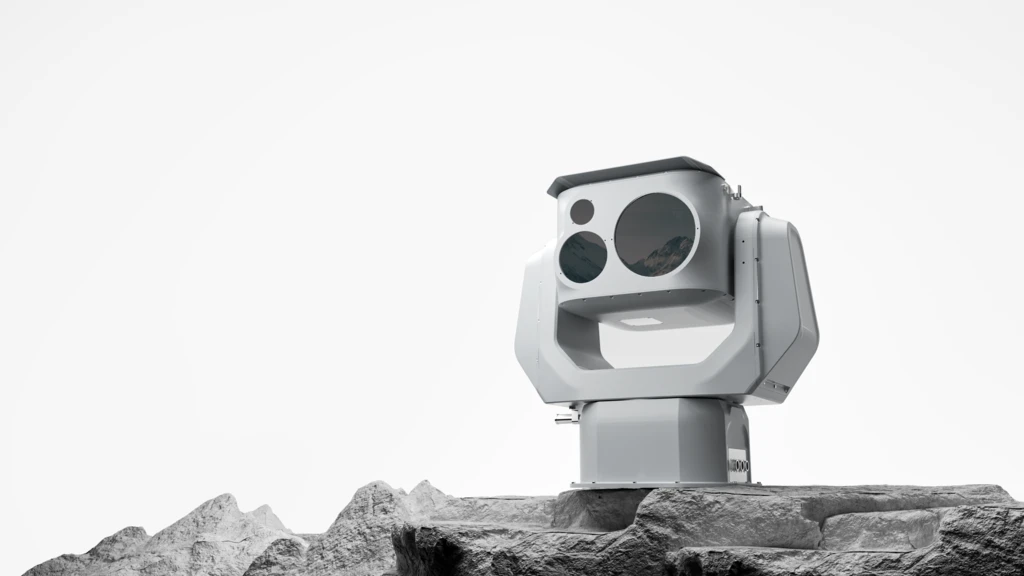
Cámaras EO/IR: Los sensores electroópticos e infrarrojos proporcionan confirmación visual y seguimiento térmico., que es esencial para pruebas forenses y operaciones nocturnas..
El escudo: Tecnologías de mitigación
Una vez que se confirma una amenaza, el sistema debe actuar. Los métodos comerciales más comunes incluyen:
Interferencia electrónica: Interrumpiendo la RF y GNSS del dron (GPS) señales, obligándolo a perder la conexión y aterrizar o regresar a casa.
Suplantación de GNSS: Una técnica más avanzada que envía señales de navegación falsas al dron, Permitir que los equipos de seguridad tomen el control y lo redirijan a una zona segura..
Aplicaciones sectoriales: ¿Qué solución necesitas??
Diferentes entornos enfrentan diferentes amenazas. Elegir las tecnologías anti-drones adecuadas requiere un análisis de su panorama operativo específico..
| Industria | Amenaza primaria | Pila de tecnología recomendada |
| Aeropuertos & Aviación | Colisiones de vuelo & retrasos | Radar de largo alcance + Atasco de precisión direccional |
| Aceite, Gas & Energía | Espionaje industrial & sabotaje | Escaneo RF de sitio fijo + 24/7 Imágenes térmicas |
| Prisiones & Control fronterizo | Contrabando | Interferencia omnidireccional + Sensores Acústicos |
| personaje & Eventos públicos | Invasión de privacidad & riesgo fisico | Soluciones de interferencia portátiles/portátiles |
Factores clave para la contratación B2B: Más allá de la hoja de especificaciones
Seleccionar el sistema anti-drones adecuado implica evaluar varios factores técnicos para garantizar que cumpla con sus requisitos operativos..
Rango de detección vs.. Rango de neutralización: A menudo se necesita un alcance de detección de 5 km para una alerta temprana., pero es esencial tener un alcance de mitigación de al menos 2 km para una neutralización efectiva..
Capacidades de integración: ¿La tecnología anti-drones se integra perfectamente con su infraestructura de seguridad existente?, como CCTV o sistemas de gestión de vídeo (VMS)? La integración garantiza operaciones fluidas sin interrumpir sus sistemas de seguridad actuales.
Automatización & AI: Los algoritmos de aprendizaje automático pueden ayudar a reducir las falsas alarmas. Por ejemplo, La IA puede diferenciar entre un pájaro y un dron, reduciendo respuestas innecesarias y ahorrando recursos.
Escalabilidad: Los diseños modulares son cruciales para preparar su inversión para el futuro. La capacidad de ampliar las áreas de cobertura a medida que su sitio crece o evolucionan las amenazas de drones es una consideración vital.
Navegando por el panorama legal y regulatorio
El despliegue de tecnologías antidrones implica consideraciones jurídicas complejas. En muchas jurisdicciones, la interferencia de señal está estrictamente regulada.
Cumplimiento: Asegúrese de que su equipo cumpla con los estándares de telecomunicaciones locales (como FCC o CE).
Interferencia colateral: Los bloqueadores de alta calidad están diseñados para ser “quirúrgico,” apuntar solo a las frecuencias del dron sin interrumpir el Wi-Fi local, redes celulares, o servicios de emergencia.
- Protocolos de aterrizaje seguro: Los métodos de eliminación suave, como la suplantación de GPS, suelen ser los preferidos en entornos urbanos., dónde se debería obligar a un dron a aterrizar de forma segura en lugar de desactivarlo por medios físicos.
Tendencias futuras: IA y el “gato y ratón” Juego
A medida que los drones evolucionan, también lo hacen las tecnologías anti-drones. El “gato y ratón” El juego entre drones y contramedidas se intensifica..
Defensa autónoma de enjambre: Se están desarrollando tecnologías emergentes para hacer frente a múltiples amenazas de drones a la vez.. Estos sistemas utilizan IA avanzada para rastrear y neutralizar múltiples drones que operan en un ataque coordinado..
Armas de energía dirigida (ROCÍO): DEW está a la vanguardia de la tecnología anti-drones. Estos sistemas utilizan energía enfocada, como láseres, para desactivar drones con precisión, ofreciendo soluciones de defensa a largo plazo.
Monitoreo basado en la nube: Las operaciones en múltiples sitios pueden beneficiarse de los sistemas de monitoreo basados en la nube que centralizan los datos y permiten a los operadores administrar múltiples instalaciones desde una única interfaz..
Conclusión: Asegurando sus activos hoy
no hay “talla única” en defensa con drones. La postura de seguridad más eficaz es una enfoque de múltiples capas que combina detección de alta fidelidad con confiabilidad, mitigación de baja garantía. Como líder en seguridad, Su objetivo es minimizar el riesgo manteniendo la continuidad operativa..
Listo para proteger su espacio aéreo?
No espere a que un incidente exponga sus vulnerabilidades.
[Contacta con nuestro Equipo Técnico] para una evaluación de riesgos personalizada.