 RagineTech
Introduzione: Perché il rilevamento non radar è importante nella difesa degli sciami anti-droni
Man mano che la tecnologia degli sciami di droni diventa più autonoma, bassa quota, e distribuito, affidarsi esclusivamente al rilevamento radar non è più sufficiente. In ambienti urbani densi, terreno complesso, e condizioni elettromagnetiche disordinate, i sistemi radar spesso si trovano ad affrontare punti ciechi, falsi allarmi, o degrado delle prestazioni. Ciò ha accelerato l’adozione dell’elettro-ottico (EO) e sistemi di rilevamento acustico come tecnologie complementari critiche all’interno delle moderne architetture anti-sciame di droni.
I sensori elettro-ottici e acustici non si basano sulle emissioni di radiofrequenza dei droni. Invece, sfruttano la vista, infrarossi, e firme sonore, consentendo il rilevamento e l'identificazione passiva. Se integrato in un sistema anti-drone a più livelli, queste tecnologie migliorano significativamente la capacità di allarme preventivo, precisione di conferma del target, e affidabilità del tracciamento dello sciame.
Questo articolo si concentra sul funzionamento dei sistemi di rilevamento elettro-ottici e acustici, i loro punti di forza e i loro limiti, e perché svolgono un ruolo chiave nel rilevamento delle minacce coordinate di sciami di droni.
Sistemi di rilevamento elettro-ottico per sciami di droni
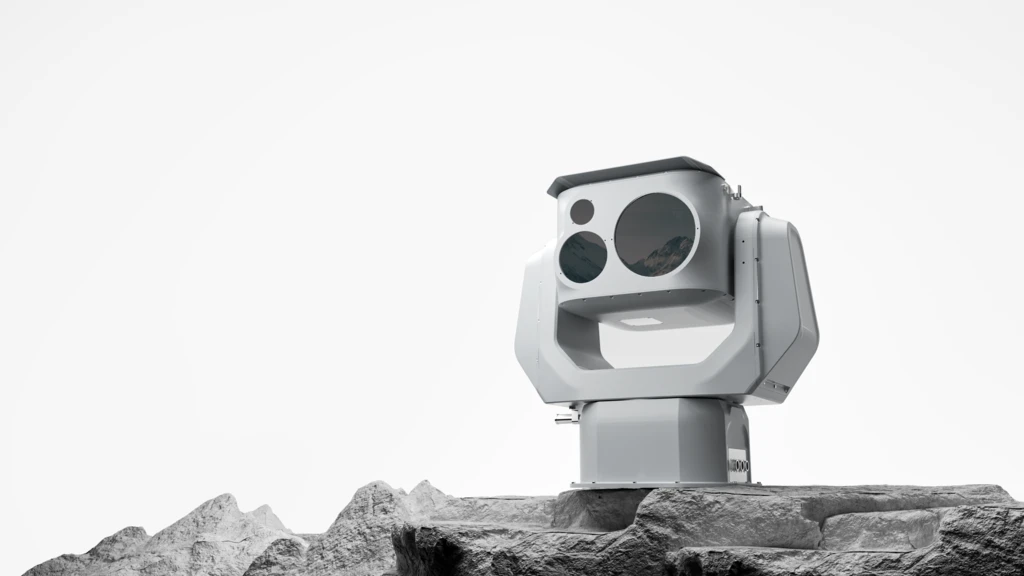
Il rilevamento elettro-ottico si riferisce all'uso di telecamere a luce visibile e sensori a infrarossi per identificare e tracciare i droni in base al loro aspetto fisico e alle impronte termiche. A differenza del radar, I sistemi EO forniscono una conferma visiva intuitiva, che è essenziale per ridurre i falsi positivi e supportare le decisioni di coinvolgimento.
Rilevamento della luce visibile e riconoscimento basato sull'intelligenza artificiale
I sistemi di rilevamento della luce visibile utilizzano telecamere ottiche ad alta risoluzione per monitorare lo spazio aereo protetto in tempo reale. Utilizzo di algoritmi di visione artificiale e deep learning, questi sistemi analizzano la forma, modelli di movimento, e comportamento di volo per distinguere i droni dagli uccelli o da altri oggetti in volo.
Per il rilevamento di sciami di droni, i sistemi a luce visibile offrono numerosi vantaggi:
- Capacità di confermare visivamente più droni che si avvicinano simultaneamente
- Tracciamento preciso del volo in formazione e manovre coordinate
- Classificazione dei tipi di droni in base alle dimensioni e alla configurazione
I modelli avanzati di riconoscimento delle immagini possono tracciare dozzine di droni contemporaneamente, rendendo il rilevamento della luce visibile particolarmente efficace durante le operazioni diurne. Tuttavia, le prestazioni sono fortemente influenzate dalle condizioni di illuminazione, disordine dello sfondo, e fattori meteorologici come nebbia o forte pioggia.
Rilevamento a infrarossi per operazioni notturne e a bassa quota
Infrarossi (E) i sistemi di rilevamento identificano i droni rilevando il calore emesso dai motori, batterie, ed elettronica di bordo. Ciò rende i sensori a infrarossi particolarmente preziosi per il rilevamento notturno e la sorveglianza a bassa quota, dove le telecamere visive lottano.
I principali vantaggi del rilevamento a infrarossi includono:
- Prestazioni elevate in ambienti con scarsa o assenza di luce
- Rilevamento affidabile di droni che volano vicino al terreno
- Capacità migliorata di rilevare piccoli UAV con sezioni trasversali radar basse
Per scenari di sciami di droni, i sensori a infrarossi possono rilevare più tracce di calore che convergono verso un'area protetta, fornire un allarme tempestivo in caso di attacchi coordinati. Tuttavia, temperature ambientali elevate, disordine termico, e condizioni meteorologiche avverse possono ridurre il contrasto e la precisione del rilevamento.
Sistemi di rilevamento acustico per l'identificazione di sciami di droni
I sistemi di rilevamento acustico identificano i droni analizzando le frequenze sonore distintive prodotte da eliche e motori. Utilizzo di array di microfoni distribuiti e algoritmi di elaborazione del segnale, questi sistemi possono stimare la direzione, distanza, e quantità di droni.
Come funziona il rilevamento acustico dei droni
Ogni modello di drone produce una firma acustica unica durante il volo. I sistemi acustici catturano questi segnali e li confrontano con un database di riferimento per identificare la presenza di droni. Negli scenari di rilevamento di sciami, l'analisi acustica può rivelare:
- Il numero di droni che operano simultaneamente
- Schemi di movimento relativi e vettori di avvicinamento
- Differenziazione del tipo di drone in base alle caratteristiche del suono
Il rilevamento acustico è particolarmente efficace in ambienti urbani e terreni complessi, dove gli edifici e il terreno limitano la linea di vista del radar.
Punti di forza e limiti del rilevamento acustico
Punti di forza:
- Rilevazione completamente passiva senza emissioni elettromagnetiche
- Efficace contro la bassa velocità, droni a bassa quota
- Utile in ambienti in cui i sistemi radar e ottici devono affrontare vincoli
Limitazioni:
- Campo di rilevamento limitato, tipicamente centinaia di metri
- Suscettibilità al rumore ambientale come quello del traffico o dei macchinari industriali
- Efficacia ridotta in condizioni di vento forte
Nonostante queste limitazioni, il rilevamento acustico svolge un ruolo prezioso nella consapevolezza degli sciami di droni a corto raggio e nel preallarme.
Confronto tra le tecnologie di rilevamento elettro-ottico e acustico
I sistemi di rilevamento elettro-ottici e acustici affrontano diverse sfide operative e sono più efficaci se utilizzati insieme.
| Tecnologia | Migliori casi d'uso | Limitazioni chiave |
|---|---|---|
| EO a luce visibile | Identificazione diurna, tracciamento dello sciame | Dipendenza dal tempo e dall'illuminazione |
| OE a infrarossi | Operazioni notturne, droni a bassa quota | Disordine termico |
| Rilevazione acustica | Aree urbane, rilevamento a corto raggio | Portata limitata, interferenza sonora |
Se integrato con sistemi radar, I sensori EO e acustici forniscono una verifica multistrato, riducendo i falsi allarmi e migliorando la sicurezza complessiva del rilevamento.
Ruolo nei sistemi integrati di sciami anti-droni
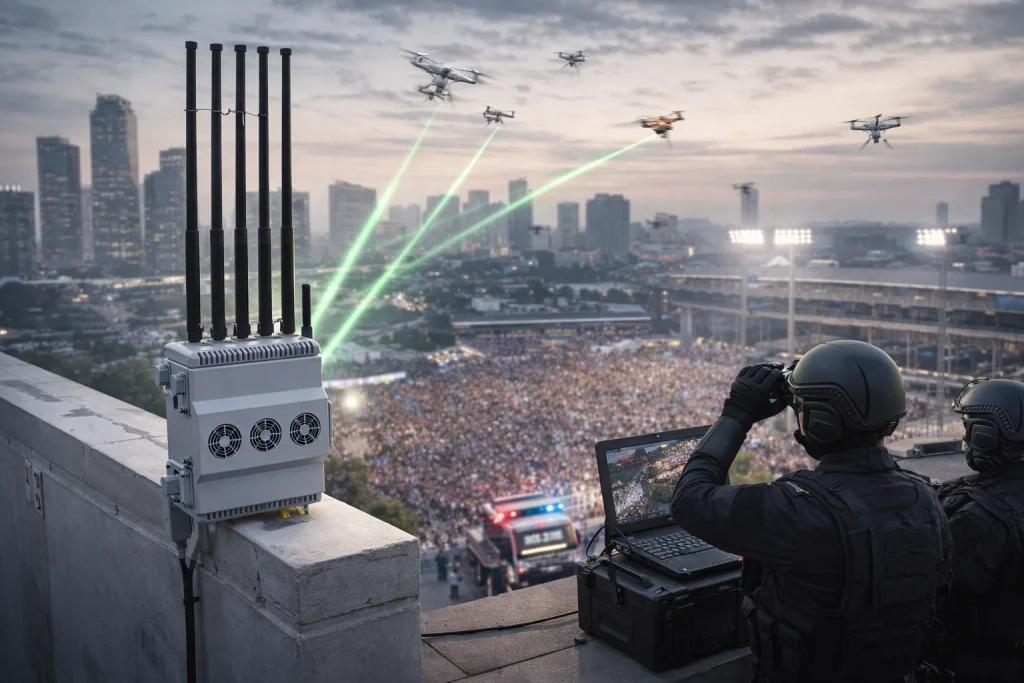
Nelle moderne architetture anti-drone, I sensori elettro-ottici e acustici sono raramente utilizzati come soluzioni autonome. Invece, funzionano come parte di una struttura di fusione multisensore, supporto del rilevamento, classificazione, e decisioni di coinvolgimento.
I ruoli di integrazione tipici includono:
- Sistemi EO di rilevamento radar per la conferma visiva
- Sensori acustici che forniscono avvisi tempestivi nelle zone cieche
- Sistemi EO che convalidano gli obiettivi prima del disturbo o dell'intercettazione
Questo approccio a più livelli migliora significativamente la resilienza contro gli sciami di droni che tentano di eludere i singoli metodi di rilevamento. Per strategie di implementazione a livello di sistema, fare riferimento alla nostra analisi dettagliata su soluzioni integrate di difesa contro i droni.
Conclusione: Perché l’EO e il rilevamento acustico sono essenziali contro gli sciami di droni
Mentre gli sciami di droni continuano ad evolversi in velocità, autonomia, e coordinamento, i sistemi di rilevamento devono adattarsi di conseguenza. Le tecnologie di rilevamento elettro-ottico e acustico forniscono funzionalità di rilevamento passivo critiche che integrano le contromisure radar ed elettroniche.
Abilitando la conferma visiva, rilevamento termico, e identificazione basata sul suono, questi sistemi rafforzano l’allerta precoce, ridurre i falsi positivi, e migliorare l’efficacia complessiva degli sciami anti-droni. Se integrato in un'architettura di difesa a più livelli, i sistemi di rilevamento elettro-ottici e acustici svolgono un ruolo indispensabile nella protezione delle infrastrutture critiche, strutture sensibili, e spazio aereo controllato dalle minacce coordinate di sciami di UAV.
Per una comprensione completa delle minacce e delle contromisure legate agli sciami di droni, esplora la nostra analisi su Ricerca sulle minacce agli sciami di droni e sulle tecnologie anti-sciami di droni.