 RagineTech
Introduzione: Comprendere le minacce degli sciami di droni e la necessità di disturbare
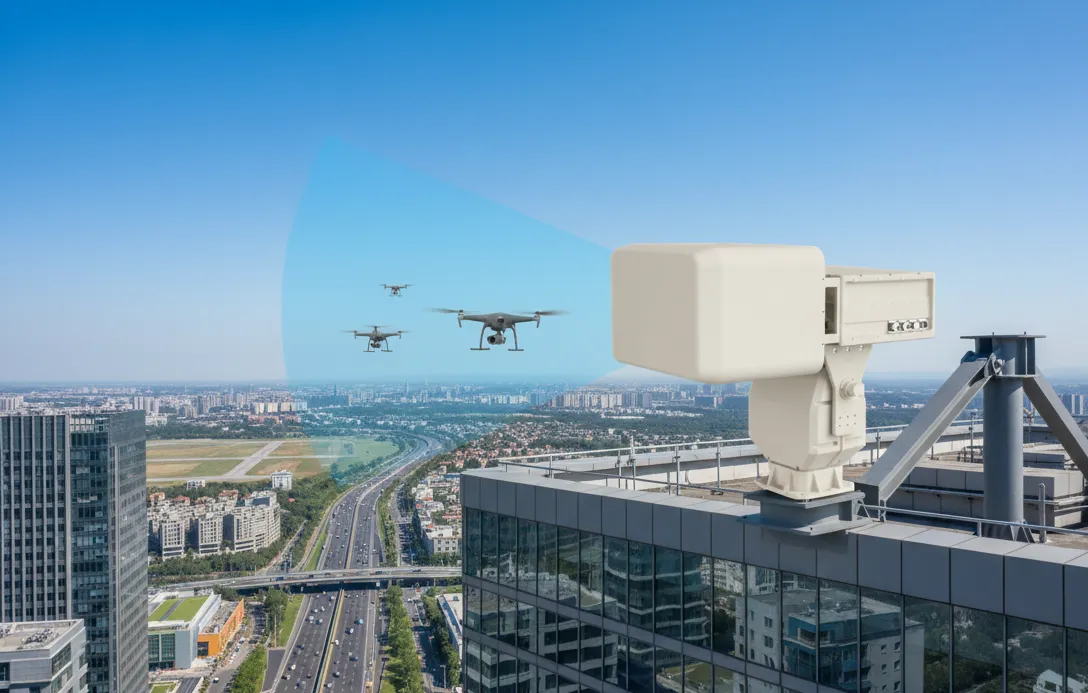
Con il rapido progresso della tecnologia degli sciami di droni, i tradizionali sistemi di difesa a punto singolo sono sempre più insufficienti. Gli sciami di droni possono avvicinarsi ai bersagli in formazioni coordinate, operare a bassa quota, ed eludere il rilevamento radar convenzionale, creando sfide significative alla sicurezza per le infrastrutture critiche, strutture militari, e le aree urbane sensibili. Uno dei metodi più efficaci per mitigare queste minacce è l’uso di RF, GPS, e tecnologie di jamming laser. Queste soluzioni di disturbo contro i droni interrompono la comunicazione, navigazione, e sistemi di sensori di sciami di UAV, riducendone l’efficacia operativa e prevenendo potenziali danni.
Questo articolo fornisce una spiegazione dettagliata di radiofrequenza (RF) inceppamento, Inceppamento del GPS, e inceppamenti laser, mettendo in evidenza le loro applicazioni, punti di forza, limitazioni, e integrazione all’interno delle moderne architetture di difesa anti-drone.
Radiofrequenza (RF) Tecnologia di disturbo
Come funziona il disturbo RF
Il jamming RF prende di mira i collegamenti di comunicazione e i segnali di controllo tra i droni e i loro operatori. Emettendo segnali in radiofrequenza nelle stesse bande di frequenza utilizzate dai droni, I jammer RF possono interrompere il comando e il controllo (C2) collegamenti, costringendo i droni a perdere la connettività o a entrare in una modalità di sicurezza. I comuni dispositivi di disturbo RF includono pistole di disturbo direzionale, sistemi montati su veicoli, e installazioni fisse che coprono ampie aree operative.
Vantaggi del disturbo RF
- Efficace contro più droni contemporaneamente in un'area locale
- Può indirizzare bande di frequenza specifiche per ridurre al minimo le interferenze collaterali
- Sono disponibili soluzioni portatili per scenari di risposta rapida
Limitazioni
- Richiede l'intelligenza della frequenza per mirare in modo efficace a specifici modelli UAV
- Efficacia limitata contro droni altamente crittografati o autonomi
- Potenziale interferenza con i sistemi di comunicazione vicini se non calibrato attentamente
Casi d'uso
Il disturbo RF viene comunemente utilizzato per proteggere aeroporti, basi militari, e infrastrutture critiche, prevenire l’intrusione o l’interruzione non autorizzata dei droni durante le operazioni sensibili.
Tecnologia di disturbo del GPS
Come funziona il disturbo del GPS
Il disturbo del GPS interferisce con i segnali di navigazione satellitare su cui fanno affidamento i droni per il posizionamento e il controllo della traiettoria di volo. Trasmettendo segnali ad alta potenza alle frequenze GPS, i jammer possono far sì che i droni calcolino erroneamente la loro posizione, perdere le capacità di navigazione, o tornare a punti iniziali errati.
Vantaggi del disturbo del GPS
- Disabilita i droni autonomi e semi-autonomi che dipendono dal GPS
- Efficace per la copertura di vaste aree con sistemi fissi o montati su veicolo
- Può integrare il disturbo RF per neutralizzare attacchi di sciami complessi
Limitazioni
- Meno efficace contro i droni dotati di sistemi di navigazione alternativi (GLONASS, Galileo, navigazione visivo-inerziale)
- Rischio di interruzione dei servizi GPS civili nell'area circostante
- Le unità portatili hanno una portata limitata rispetto alle installazioni fisse
Casi d'uso
Il jamming GPS è particolarmente adatto per difesa perimetrale di installazioni militari, edifici governativi, e grandi eventi, perché prende di mira direttamente una delle dipendenze più critiche delle moderne minacce senza pilota e di precisione: navigazione satellitare. Quando applicato in modo controllato, contesto difensivo, Il disturbo del GPS offre una combinazione di efficacia, scalabilità, ed efficienza in termini di costi che poche altre contromisure possono eguagliare.
Tecnologia di blocco del laser
Come funziona il laser jamming
Il jamming laser utilizza raggi ad alta energia per sensori ottici target come le fotocamere, LiDAR, e fotorilevatori sui droni. Accecando o danneggiando temporaneamente questi sensori, i disturbatori laser possono disturbare volo autonomo, acquisizione del bersaglio, e navigazione basata su immagini, rendendo il drone inefficace.
Vantaggi del laser jamming
- Puntamento estremamente preciso con interferenze collaterali minime
- Efficace in ambienti ad alta densità elettromagnetica in cui i disturbi RF/GPS possono avere difficoltà
- Tempi di risposta rapidi e intensità regolabile per diversi livelli di minaccia
Limitazioni
- Prestazioni influenzate dalle condizioni atmosferiche (piovere, nebbia, polvere) e vincoli della linea di vista
- Richiede il tracciamento continuo del bersaglio per mantenere l'effetto di disturbo
- Solitamente più costose delle soluzioni di disturbo RF o GPS
Casi d'uso
Viene utilizzato il jamming laser protezione di beni di elevato valore, comprese le infrastrutture critiche, equipaggiamento militare, e sicurezza degli eventi VIP, dove sono richiesti precisione e disturbi minimi ai sistemi circostanti.
Confronto tra RF, GPS, e tecnologie di disturbo del laser
| Tecnologia | Sistema mirato | Vantaggi | Limitazioni | Migliori casi d'uso |
|---|---|---|---|---|
| Interferenza RF | Collegamenti di comunicazione | Ampia copertura, dispiegamento rapido, neutralizzazione multi-UAV | Specifico della frequenza, potenziale interferenza collaterale | Aeroporti, sorveglianza urbana, risposta tattica |
| Inceppamento del GPS | Sistemi di navigazione | Efficace contro i droni autonomi, integra il disturbo RF | Sistemi di navigazione alternativi, potenziale interruzione del GPS civile | Difesa perimetrale, infrastrutture critiche, grandi eventi |
| Inceppamento laser | Sensori ottici | Altamente preciso, risposta rapida, minima interferenza RF | Dipendente dal tempo, è richiesta la linea di vista, costo più elevato | Obiettivi di alto valore, Protezione VIP, impianti sensibili |
Integrazione delle tecnologie di disturbo nei sistemi di difesa anti-droni
Le moderne strategie anti-drone si combinano RF, GPS, e tecnologie di jamming laser con sistemi di rilevamento come il radar, elettro-ottico, e sensori acustici. Questo approccio multilivello garantisce:
- Rilevamento precoce e identificazione accurata degli sciami di droni
- Mitigazione a più livelli per affrontare diversi vettori di minaccia (comunicazione, navigazione, sensori)
- Maggiore flessibilità operativa per le aree urbane, rurale, e ambienti critici delle strutture
Progettando a sistema anti-drone multistrato, le organizzazioni possono massimizzare la protezione riducendo al minimo i rischi per i sistemi adiacenti e i servizi pubblici.
Conclusione
RF, GPS, e le tecnologie di jamming laser sono componenti fondamentali nella difesa da sciami di droni sempre più sofisticati. Ciascuna tecnologia offre punti di forza unici e deve affrontare limitazioni specifiche, rendendo essenziale l'implementazione di a multistrato, strategia di difesa integrata. Comprendendo queste tecnologie e le loro applicazioni, le organizzazioni possono proteggere in modo proattivo le infrastrutture critiche, strutture militari, e gli ambienti urbani sensibili dalle minacce emergenti di sciami UAV coordinati.
Per una panoramica completa delle minacce legate agli sciami di droni, metodi di rilevamento, e strategie di contromisura, visita la nostra pagina Ricerca sulle minacce agli sciami di droni e sulle tecnologie anti-sciami di droni.