 ราจีนเทค
การแนะนำ: ทำความเข้าใจภัยคุกคามจากฝูงโดรนและความจำเป็นในการติดขัด
ด้วยความก้าวหน้าอย่างรวดเร็วของเทคโนโลยีโดรนฝูง, ระบบป้องกันจุดเดียวแบบเดิมๆ นั้นไม่เพียงพอมากขึ้นเรื่อยๆ. ฝูงโดรนสามารถเข้าใกล้เป้าหมายในรูปแบบที่ประสานกัน, ทำงานที่ระดับความสูงต่ำ, และหลบเลี่ยงการตรวจจับด้วยเรดาร์แบบเดิมๆ, สร้างความท้าทายด้านความปลอดภัยที่สำคัญสำหรับโครงสร้างพื้นฐานที่สำคัญ, สิ่งอำนวยความสะดวกทางทหาร, และพื้นที่เมืองที่ละเอียดอ่อน. หนึ่งในวิธีที่มีประสิทธิภาพสูงสุดในการบรรเทาภัยคุกคามเหล่านี้คือการใช้ รฟ, จีพีเอส, และเทคโนโลยีการรบกวนด้วยเลเซอร์. โซลูชันการติดขัดของโดรนต่อต้านโดรนเหล่านี้รบกวนการสื่อสาร, การนำทาง, และระบบเซ็นเซอร์ฝูง UAV, ลดประสิทธิภาพการดำเนินงานและป้องกันความเสียหายที่อาจเกิดขึ้น.
บทความนี้มีคำอธิบายโดยละเอียดเกี่ยวกับ ความถี่วิทยุ (รฟ) ติดขัด, จีพีเอสติดขัด, และเลเซอร์ติดขัด, เน้นการใช้งานของพวกเขา, จุดแข็ง, ข้อจำกัด, และการบูรณาการภายในสถาปัตยกรรมการป้องกันโดรนต่อต้านสมัยใหม่.
ความถี่วิทยุ (รฟ) เทคโนโลยีการติดขัด
RF Jamming ทำงานอย่างไร
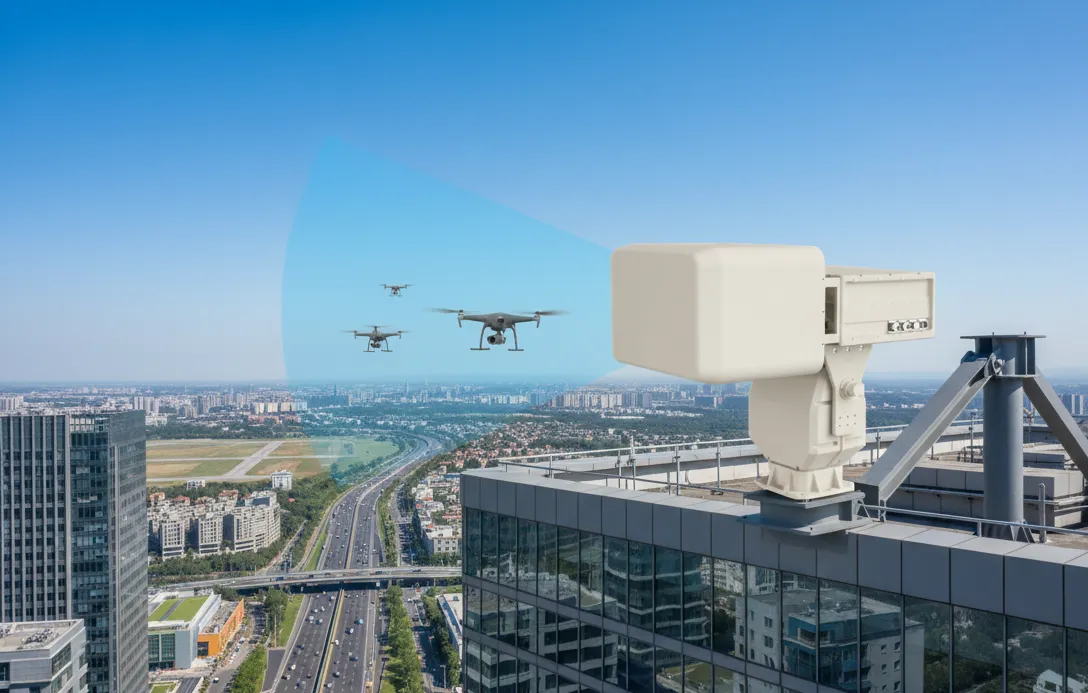
การรบกวน RF มุ่งเป้าไปที่การเชื่อมโยงการสื่อสารและสัญญาณควบคุมระหว่างโดรนและผู้ปฏิบัติงาน. โดยการส่งสัญญาณความถี่วิทยุที่ย่านความถี่เดียวกับที่โดรนใช้, อุปกรณ์ส่งสัญญาณรบกวน RF สามารถขัดจังหวะคำสั่งและการควบคุมได้ (ค2) ลิงค์, บังคับให้โดรนขาดการเชื่อมต่อหรือเข้าสู่โหมดป้องกันข้อผิดพลาด. อุปกรณ์รบกวน RF ทั่วไปรวมถึงปืนส่งสัญญาณรบกวนทิศทาง, ระบบที่ติดตั้งในยานพาหนะ, และติดตั้งถาวรครอบคลุมพื้นที่ปฏิบัติงานในวงกว้าง.
ข้อดีของการรบกวน RF
- มีผลกับโดรนหลายตัวพร้อมกันในพื้นที่ท้องถิ่น
- สามารถกำหนดเป้าหมายคลื่นความถี่เฉพาะเพื่อลดสัญญาณรบกวนจากหลักประกัน
- มีโซลูชันแบบพกพาสำหรับสถานการณ์การตอบสนองที่รวดเร็ว
ข้อจำกัด
- ต้องใช้ข้อมูลความถี่เพื่อกำหนดเป้าหมายโมเดล UAV เฉพาะอย่างมีประสิทธิภาพ
- ประสิทธิภาพที่จำกัดกับโดรนที่มีการเข้ารหัสสูงหรือโดรนอัตโนมัติ
- อาจรบกวนระบบสื่อสารใกล้เคียงหากไม่ได้ปรับเทียบอย่างระมัดระวัง
ใช้กรณี
การติดขัดของ RF มักใช้เพื่อป้องกัน สนามบิน, ฐานทัพทหาร, และโครงสร้างพื้นฐานที่สำคัญ, ป้องกันการบุกรุกหรือการหยุดชะงักของโดรนโดยไม่ได้รับอนุญาตในระหว่างการปฏิบัติการที่มีความละเอียดอ่อน.
เทคโนโลยีการรบกวน GPS
GPS Jamming ทำงานอย่างไร
การรบกวนของ GPS จะรบกวนสัญญาณนำทางด้วยดาวเทียมที่โดรนใช้ในการระบุตำแหน่งและการควบคุมเส้นทางการบิน. โดยส่งสัญญาณกำลังสูงที่ความถี่ GPS, อุปกรณ์รบกวนอาจทำให้โดรนคำนวณตำแหน่งผิด, สูญเสียความสามารถในการนำทาง, หรือกลับไปสู่จุดบ้านที่ไม่ถูกต้อง.
ข้อดีของการติดขัด GPS
- ปิดการใช้งานโดรนอัตโนมัติและกึ่งอิสระที่ขึ้นอยู่กับ GPS
- มีประสิทธิภาพสำหรับการครอบคลุมพื้นที่ขนาดใหญ่ด้วยระบบแบบติดตั้งกับที่หรือแบบติดตั้งกับยานพาหนะ
- สามารถเสริมการรบกวน RF เพื่อต่อต้านการโจมตีแบบฝูงที่ซับซ้อน
ข้อจำกัด
- มีประสิทธิภาพน้อยกว่ากับโดรนที่ติดตั้งระบบนำทางทางเลือก (โกลนาส, กาลิเลโอ, การนำทางเฉื่อยด้วยภาพ)
- ความเสี่ยงจากการรบกวนบริการ GPS ของพลเรือนในพื้นที่โดยรอบ
- อุปกรณ์มือถือมีช่วงที่จำกัดเมื่อเทียบกับการติดตั้งแบบอยู่กับที่
ใช้กรณี
การติดขัดของ GPS เหมาะอย่างยิ่งสำหรับ การป้องกันปริมณฑลของสถานที่ปฏิบัติงานทางทหาร, อาคารราชการ, และกิจกรรมใหญ่ๆ, เพราะมันกำหนดเป้าหมายโดยตรงหนึ่งในภัยคุกคามที่สำคัญที่สุดของภัยคุกคามแบบไร้คนขับสมัยใหม่และเปิดใช้งานอย่างแม่นยำ: การนำทางด้วยดาวเทียม. เมื่อนำมาใช้ในการควบคุม, บริบทการป้องกัน, การติดขัดของ GPS มอบการผสมผสานระหว่างประสิทธิภาพ, ความสามารถในการขยายขนาด, และประสิทธิภาพด้านต้นทุนที่มีมาตรการรับมืออื่นๆ เพียงไม่กี่อย่างที่สามารถเทียบเคียงได้.
เทคโนโลยีการติดขัดด้วยเลเซอร์
เลเซอร์ติดขัดทำงานอย่างไร
การติดขัดด้วยเลเซอร์จะใช้ลำแสงพลังงานสูงเพื่อ เซ็นเซอร์ออปติคัลเป้าหมาย เช่นกล้องถ่ายรูป, ลิดาร์, และเครื่องตรวจจับแสงบนโดรน. โดยการทำให้เซ็นเซอร์เหล่านี้มองไม่เห็นหรือเสียหายชั่วคราว, อุปกรณ์ส่งสัญญาณรบกวนแบบเลเซอร์สามารถรบกวนได้ เที่ยวบินอัตโนมัติ, การได้มาซึ่งเป้าหมาย, และการนำทางด้วยภาพ, ทำให้โดรนไม่มีประสิทธิภาพ.
ข้อดีของการติดขัดด้วยเลเซอร์
- การกำหนดเป้าหมายที่แม่นยำอย่างยิ่งโดยมีการรบกวนหลักประกันน้อยที่สุด
- มีประสิทธิภาพในสภาพแวดล้อมที่มีแม่เหล็กไฟฟ้าหนาแน่นสูง ซึ่งปัญหาการรบกวนของ RF/GPS อาจประสบปัญหา
- เวลาตอบสนองที่รวดเร็วและความเข้มข้นที่ปรับได้สำหรับระดับภัยคุกคามที่แตกต่างกัน
ข้อจำกัด
- ประสิทธิภาพที่ได้รับผลกระทบจากสภาพอากาศ (ฝน, หมอก, ฝุ่น) และข้อจำกัดในการมองเห็น
- ต้องมีการติดตามเป้าหมายอย่างต่อเนื่องเพื่อรักษาผลกระทบจากการติดขัด
- โดยทั่วไปแล้วจะมีค่าใช้จ่ายสูงกว่าโซลูชันการรบกวน RF หรือ GPS
ใช้กรณี
มีการใช้เลเซอร์ติดขัดเพื่อ การคุ้มครองทรัพย์สินที่มีมูลค่าสูง, รวมถึงโครงสร้างพื้นฐานที่สำคัญ, อุปกรณ์ทางทหาร, และความปลอดภัยของงานวีไอพี, โดยที่ต้องการความแม่นยำและการรบกวนระบบโดยรอบน้อยที่สุด.
เปรียบเทียบ RF, จีพีเอส, และเทคโนโลยีการติดขัดด้วยเลเซอร์
| เทคโนโลยี | ระบบเป้าหมาย | ข้อดี | ข้อจำกัด | กรณีการใช้งานที่ดีที่สุด |
|---|---|---|---|---|
| การรบกวน RF | ลิงค์การสื่อสาร | ความคุ้มครองกว้าง, การใช้งานที่รวดเร็ว, การวางตัวเป็นกลางหลาย UAV | เฉพาะความถี่, การแทรกแซงหลักประกันที่อาจเกิดขึ้น | สนามบิน, การเฝ้าระวังในเมือง, การตอบสนองทางยุทธวิธี |
| การติดขัดของ GPS | ระบบนำทาง | มีประสิทธิภาพในการต่อต้านโดรนอัตโนมัติ, เสริมการรบกวน RF | ระบบนำทางทางเลือก, อาจเกิดการหยุดชะงักของ GPS พลเรือน | การป้องกันปริมณฑล, โครงสร้างพื้นฐานที่สำคัญ, เหตุการณ์ใหญ่ |
| เลเซอร์ติดขัด | เซ็นเซอร์ออปติคัล | มีความแม่นยำสูง, ตอบสนองอย่างรวดเร็ว, การรบกวน RF น้อยที่สุด | ขึ้นอยู่กับสภาพอากาศ, จำเป็นต้องมีแนวสายตา, ต้นทุนที่สูงขึ้น | เป้าหมายที่มีมูลค่าสูง, การป้องกันวีไอพี, การติดตั้งที่ละเอียดอ่อน |
บูรณาการเทคโนโลยี Jamming เข้ากับระบบป้องกันโดรน
กลยุทธ์ต่อต้านโดรนสมัยใหม่ผสมผสานกัน รฟ, จีพีเอส, และเทคโนโลยีการรบกวนด้วยเลเซอร์ พร้อมระบบตรวจจับเช่นเรดาร์, ไฟฟ้าแสง, และเซ็นเซอร์เสียง. วิธีการหลายชั้นนี้ช่วยให้มั่นใจได้:
- การตรวจจับล่วงหน้าและการระบุฝูงโดรนที่แม่นยำ
- การบรรเทาผลกระทบแบบเป็นชั้นเพื่อจัดการกับเวกเตอร์ภัยคุกคามต่างๆ (การสื่อสาร, การนำทาง, เซ็นเซอร์)
- เพิ่มความยืดหยุ่นในการดำเนินงานสำหรับเมือง, ชนบท, และสภาพแวดล้อมของสิ่งอำนวยความสะดวกที่สำคัญ
โดยการออกแบบก ระบบตอบโต้โดรนหลายชั้น, องค์กรต่างๆ สามารถเพิ่มการป้องกันสูงสุดในขณะที่ลดความเสี่ยงต่อระบบที่อยู่ติดกันและบริการสาธารณะ.
บทสรุป
รฟ, จีพีเอส, และเทคโนโลยีการติดขัดด้วยเลเซอร์เป็นองค์ประกอบสำคัญในการป้องกันฝูงโดรนที่มีความซับซ้อนมากขึ้น. แต่ละเทคโนโลยีมีจุดแข็งเฉพาะตัวและเผชิญกับข้อจำกัดเฉพาะ, ทำให้จำเป็นต้องปรับใช้ a หลายชั้น, กลยุทธ์การป้องกันแบบบูรณาการ. โดยการทำความเข้าใจเทคโนโลยีเหล่านี้และการใช้งานของพวกเขา, องค์กรต่างๆ สามารถปกป้องโครงสร้างพื้นฐานที่สำคัญได้ในเชิงรุก, สิ่งอำนวยความสะดวกทางทหาร, และสภาพแวดล้อมในเมืองที่ละเอียดอ่อนจากภัยคุกคามที่เกิดขึ้นจากฝูง UAV ที่ประสานงานกัน.
สำหรับภาพรวมภัยคุกคามฝูงโดรนอย่างครอบคลุม, วิธีการตรวจจับ, และกลยุทธ์การรับมือ, เยี่ยมชมหน้าของเรา การวิจัยเกี่ยวกับภัยคุกคามจากฝูงโดรนและเทคโนโลยีฝูงโดรน.