라진 테크놀로지, 우리는 안티 드론 장비에 중점을 두고 있습니다 개발 생산, 저고도 공역을 더욱 안전하게 만들기.

이메일: 마케팅@hzragine.com |

무역 뉴스

Drone Jammer Legality Status in 2026: Laws, Risks, and Safe Counter-Drone Alternatives

Why Drone Jammer Legality Matters in Modern Airspace Security

As unmanned aerial vehicles (UAVs) become increasingly accessible, their misuse has emerged as a serious concern for critical infrastructure operators, industrial facilities, and public venues worldwide. From unauthorized surveillance to potential security threats, drones can pose real risks.

In response, many organizations consider drone jammers as a quick solution. However, the legality of using drone jammers is far more complex than it appears. In most regions, deploying a jammer without authorization can lead to severe legal consequences.

This article provides a clear, up-to-date overview of the drone jammer status legality in 2026, explains the risks involved, and outlines compliant counter-drone alternatives that organizations can adopt without violating the law.

What Is a Drone Jammer and How Does It Work ?

A drone jammer is a device designed to disrupt communication links between a drone and its operator. Most drone jammers work by emitting radio frequency (RF) signals that interfere with:

  • Control links between the drone and the remote controller
  • GPS or GNSS navigation signals
  • Video transmission channels

When these links are disrupted, the drone may hover, return to its takeoff point, or land abruptly, depending on its configuration.

Common Types of Drone Jammers (Fixed vs. Portable)

Drone jammers typically fall into two categories:

  • Fixed jamming systems – Installed at specific locations to protect sensitive areas
  • Portable or handheld jammers – Mobile devices often marketed for short-range drone disruption

While the technology itself is relatively mature, its use is heavily regulated in most jurisdictions.

Are Drone Jammers Legal? A Global Overview

In short: in most countries, drone jammers are illegal for civilian or commercial use.

The reason for this firm legal stance is relatively straightforward: drone jammers operate by intentionally emitting high-power radio signals designed to overpower and disrupt licensed radio frequencies, which are finite public resources carefully regulated and protected by national telecommunications authorities.

Below is a regional overview of how drone jammers are regulated.

Understanding National Laws on Drone Jammers Around the World

When it comes to drone jammers, the legality of use varies significantly from country to country. Using a jammer without proper authorization can be illegal and carry serious penalties. Here’s a brief overview of regulations in key regions.

United States

In the United States, the use of drone jammers by private entities is illegal.

Key regulatory bodies include:

  • Federal Communications Commission (FCC) – Prohibits any device that intentionally interferes with authorized radio communications
  • Federal Aviation Administration (FAA) – Regulates airspace and UAV operations

Unauthorized jamming may result in:

  • Substantial financial penalties
  • Criminal charges
  • Seizure of equipment

The Federal Communications Commission (FCC) strictly prohibits unauthorized use of radio frequency jammers. Only certain government agencies, the military, and law enforcement with legal mandates may operate jammers, and only under controlled circumstances.

European Union (selected countries)

Across the European Union, drone jammers are also generally prohibited for civilian use.

Relevant regulations include:

  • EU electronic communications laws governing RF spectrum usage
  • National aviation and telecommunications authorities in each member state

Private companies and individuals are not permitted to disrupt radio signals, even for security purposes, unless explicitly authorized by government authorities.

While EU member states follow general directives on wireless communications, national regulators enforce strict rules. Countries like Germany, France, and Italy only allow authorized law enforcement and government agencies to deploy jammers.

United Kingdom and Australia

Both the Ofcom (UK) and the ACMA (Australia) have strict laws againstdeliberate interferencewith wireless communications. Private organizations are forbidden from using jammers, and violations can result in fines or criminal charges.

중국

Managed by the Ministry of Industry and Information Technology (MIIT), China prohibits private use of drone jammers. Only specific government authorities can deploy them under controlled and documented conditions.

Asia-Pacific and Other Regions

In many Asia-Pacific countries, including major industrial markets, drone jamming is similarly restricted.

Common regulatory themes include:

  • Centralized control of RF spectrum
  • Strict licensing requirements
  • Criminal penalties for unauthorized signal interference

While enforcement intensity may vary, the legal risks remain significant.

Most countries worldwide maintain similar frameworks—only authorized entities may operate jammers, with legal, safety, and documentation requirements in place.

Why Drone Jammers Are Illegal in Most Countries?

Although drone jammers are often marketed as fast and effective countermeasures, their operation conflicts with multiple layers of national and international law. In most jurisdictions, the prohibition of drone jammers is not based on drone-specific rules alone, but on broader legal frameworks governing radio communications, aviation safety, and public infrastructure protection.

Below are the primary legal reasons why drone jammers are restricted or outright banned in most countries.

Radio Frequency (RF) Spectrum and Telecommunications Laws

Drone jammers function by intentionally transmitting radio frequency signals to disrupt communications between a drone and its operator. In nearly all countries, the RF spectrum is treated as a regulated national resource, managed by telecommunications authorities and governed by strict licensing regimes.

Unauthorized transmission or interference with licensed frequencies typically violates laws related to:

  • National RF spectrum management and allocation
  • Licensed public and private communication services
  • Protection of critical wireless infrastructure

Because jammers are designed to interfere with lawful communications by definition, their use is classified as illegal interference regardless of intent. Even when deployed for defensive or security purposes, unauthorized jamming is considered a direct breach of telecommunications law, rather than a permissible safety measure.

This legal principle applies universally—from civilian mobile networks to satellite navigation systems—and forms the primary legal barrier to civilian and commercial jammer use.

Aviation Safety and Airspace Regulations

In many jurisdictions, drones are legally defined as aircraft and fall under national aviation and airspace regulations. Interfering with a drone’s command, navigation, or positioning signals may therefore constitute unlawful interference with an aircraft.

Aviation authorities prioritize airspace safety, predictability, and risk mitigation. Any action that could cause an aircraft to lose control, behave unpredictably, or crash—particularly in populated or sensitive areas—is treated as a serious safety violation.

As a result, unauthorized drone jamming may breach regulations related to:

  • Civil aviation safety and airworthiness
  • Controlled and restricted airspace management
  • Protection of manned and unmanned aircraft operations

In high-risk environments such as airports, industrial zones, or urban areas, the legal consequences of such interference are often significantly amplified due to the potential impact on public safety.

Civil, Criminal, and Regulatory Liability Risks

Beyond regulatory violations, the use of drone jammers exposes organizations and individuals to substantial legal liability. Depending on jurisdiction and impact, unauthorized jamming may trigger:

  • Administrative fines issued by telecommunications or aviation regulators
  • Criminal charges for intentional signal interference
  • Confiscation of equipment and suspension of operating licenses

In commercial contexts, liability can extend beyond regulatory penalties. If jamming activity disrupts third-party communications, causes property damage, or contributes to safety incidents, the operator may face civil lawsuits and financial compensation claims.

Importantly, legal responsibility typically applies regardless of whether the drone was authorized or unauthorized. Courts and regulators focus on the legality of the interference itself—not on the perceived justification for using a jammer.

Risks of Collateral Interference to Critical Systems

One of the most significant legal concerns surrounding drone jammers is their lack of precision. Jamming signals do not exclusively affect a single drone; they may also interfere with other systems operating on nearby or overlapping frequencies.

Potential collateral impacts include:

  • Mobile and broadband communication networks
  • GPS and GNSS-based navigation systems
  • Emergency response and public safety communications
  • Industrial control and monitoring systems

Such unintended interference can disrupt essential services, compromise safety operations, and lead to cascading failures. From a legal perspective, these risks elevate drone jamming from a localized security action to a broader public safety concern.

Because of this potential for widespread disruption, regulators treat unauthorized jamming as a high-risk activity—one that justifies strict enforcement, monitoring, and severe penalties.

Key Takeaway

Drone jammers are illegal in most countries not because of drones themselves, but because they violate foundational laws governing communications, aviation safety, and critical infrastructure protection. For organizations seeking to mitigate drone threats, understanding these legal foundations is essential. Effective airspace security begins with compliance—not interference.

Increased Regulatory Scrutiny in 2026 and Beyond

As drone usage continues to expand, governments worldwide are strengthening enforcement related to RF interference and counter-UAS technologies. Regulatory agencies are increasingly equipped to detect unauthorized jamming activity through spectrum monitoring systems.

This trend means that the likelihood of detection—and subsequent enforcement—is higher than ever.

Key Takeaway for Organizations

From a legal standpoint, drone jammers represent a high-risk approach to countering UAV threats. Even when deployed with defensive intent, unauthorized jamming can expose organizations to regulatory violations, civil liability, and criminal consequences.

For most commercial and private entities, investing in legal, compliant counter-drone solutions—such as detection, tracking, and monitoring systems—offers a far safer and more sustainable path to airspace security.

The good news for organizations concerned about unauthorized drones is that protecting airspace no longer requires resorting to illegal jamming or disruptive tactics. There is a growing array of lawful, highly effective counter-UAS (Unmanned Aircraft Systems) solutions that combine advanced detection, monitoring, and response capabilities. These solutions allow businesses, government agencies, and event organizers to safeguard their environments while staying fully compliant with local regulations.

For organizations operating in regulated environments, selecting a compliant counter-UAS solution is not only a legal requirement—but a strategic investment in long-term security and operational continuity.

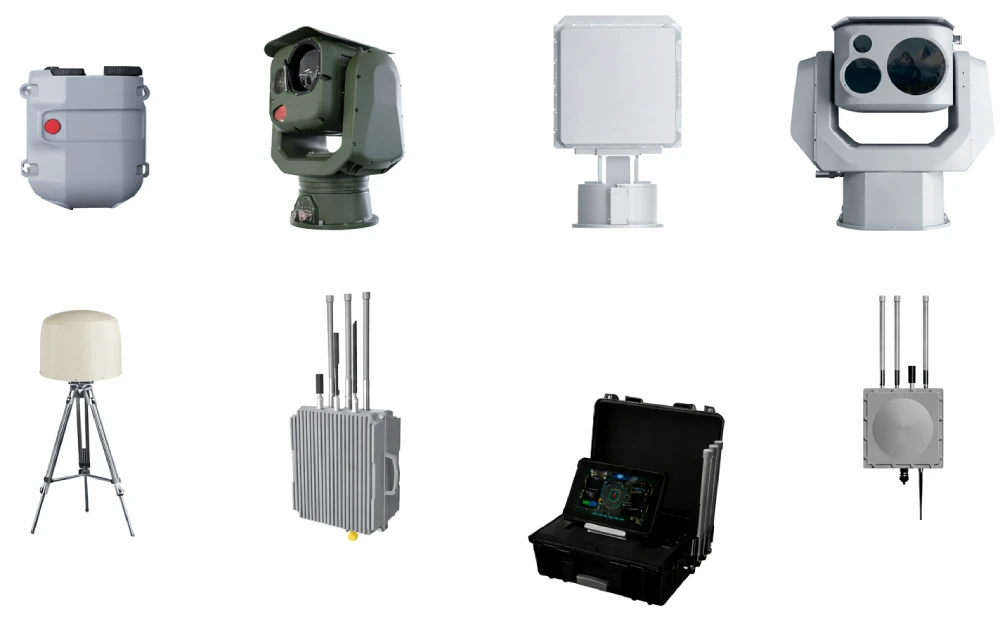
Drone Detection and Identification Systems

At the foundation of legal counter-drone strategies is robust drone detection and identification. Unlike interference-based methods, these systems prioritize awareness, giving security teams actionable intelligence without breaching communications laws. Key technologies include:

  • RF Detection: Captures and analyzes radio signals emitted by drones, providing early alerts of approaching UAS.
  • Radar-Based Tracking: Uses radar waves to detect, 길, and map the trajectory of drones in three-dimensional space.
  • Electro-Optical (EO) and Infrared (IR) Sensors: Cameras and thermal imaging systems allow visual identification, even in low-light or challenging conditions.

By combining these methods, organizations can accurately detect drones, classify their type, and evaluate potential threats before taking further action.

Drone Monitoring and Early Warning

Detection alone is only the first step. Monitoring and early warning systems enable proactive decision-making by offering extended situational awareness. Capabilities often include:

  • Early Alerts: Immediate notifications of drone activity to security personnel.
  • Flight Path Analysis: Visualization of drone movements to predict potential intrusion areas.
  • Operator Location Estimation: In jurisdictions where legally permissible, systems can help locate the drone operator, adding a layer of accountability.

For instance, an industrial facility with valuable outdoor assets can receive early warnings of a drone entering the perimeter, enabling staff to secure equipment, alert security, and prepare a lawful intervention plan.

Integrated Counter-UAS Platforms

The most advanced solutions today go beyond standalone detection or monitoring—they integrate multiple technologies into unified platforms. Benefits of these integrated counter-drone systems include:

  • Continuous Situational Awareness: Real-time insights into airspace activity across large facilities or events.
  • Regulatory Compliance: Designed to adhere to local, national, and international laws, ensuring safe and lawful operations.
  • Scalability: Flexible deployment options suitable for airports, industrial complexes, critical infrastructure, borders, and large-scale public events.

By consolidating detection, monitoring, and management capabilities, these platforms provide organizations with a comprehensive approach to drone security. They are engineered to work seamlessly with law enforcement and regulatory frameworks, ensuring that protective measures are both effective and legally sound.

Choosing lawful, integrated counter-drone technology isn’t just about compliance—it’s about protecting your people, assets, and reputation. Organizations that invest in these systems:

  • Reduce operational risks from unauthorized drone activity.
  • Maintain regulatory compliance and avoid costly penalties.
  • Enhance public and stakeholder trust by demonstrating proactive security measures.

In short, legal counter-drone solutions are no longer optional—they’re an essential part of modern airspace management. By combining detection, early warning, and integrated platform capabilities, organizations can secure their environments safely, effectively, and responsibly.

When Can Drone Jammers Be Used Legally?

With the growing presence of drones in both urban and industrial environments, people often ask whether drone jammers can be used to protect airspace. While the idea of actively neutralizing unauthorized drones may seem appealing, it’s critical to understand the legal limitations surrounding these devices. Misuse can carry severe penalties, including fines and criminal liability.

In most countries, the use of drone jammers is strictly regulated. Only certain entities are legally permitted to operate these devices, typically under clearly defined conditions:

  • Military Organizations: National defense agencies may use jammers for training exercises, border protection, or tactical operations.
  • Authorized Government Agencies: Certain government bodies may deploy jammers for security, infrastructure protection, or national safety purposes.
  • Law Enforcement: Police or regulatory authorities can use jammers in specific scenarios, such as preventing drone-based threats at public events, critical infrastructure, or sensitive facilities—always under strict legal mandates.

Even when used by authorized entities, drone jamming is never unrestricted. Operations are usually:

  • Closely monitored and documented for accountability.
  • Limited to defined airspace and timeframes.
  • Coordinated with relevant aviation authorities to prevent interference with other communications or aircraft.

Restrictions for Private Organizations

It is important to note that private businesses, industrial sites, and event organizers are generally not allowed to use drone jammers. National communications laws are clear: perceived security needs do not override legal restrictions. Attempting to jam drones without authorization can interfere with other radio communications, including emergency services, and may result in:

  • Legal penalties, including fines and equipment confiscation.
  • Criminal liability in some jurisdictions.
  • Increased risk of civil lawsuits if the action causes damage or injury.

For organizations that need to protect their airspace without violating the law, there are several legal counter-drone solutions, including:

  • Drone Detection Systems: Radar, RF, and optical sensors to monitor unauthorized drone activity.
  • Early Warning and Monitoring: Real-time alerts, flight path tracking, and operator estimation where permitted.
  • Integrated Counter-UAS Platforms: Legal, compliant systems that provide situational awareness and coordinated response options.

By relying on these lawful alternatives, private organizations can achieve effective drone security without risking regulatory violations.

Conclusion: Compliance Is the Foundation of Effective Drone Defense

Drone threats are real—but responding to them with illegal tools creates even greater risks. In 2026, regulatory scrutiny around RF interference and UAV operations continues to intensify worldwide.

Organizations seeking to protect airspace, personnel, and assets should prioritize legal, compliant, and scalable counter-drone solutions rather than unauthorized jamming devices.

By understanding the legal boundaries and adopting approved technologies, it is possible to achieve effective drone defense without compromising operational integrity or regulatory compliance.

10 Frequently Asked Questions

In most cases, using a drone jammer for personal purposes is illegal. It is crucial to understand and follow local and federal laws to prevent any legal issues before you buy the jammer.

No, private individuals cannot legally use drone jammers to protect their property in most countries, including the United States and the European Union.

Penalties can include substantial monetary fines, seizure of equipment, and criminal charges that may result in imprisonment. The exact penalties depend on the severity of the violation and the impact on communication systems.

예, there are legal technologies such as detection and monitoring systems that allow for the identification and tracking of drones without interfering with communications. These systems help authorities respond to potential threats appropriately.

Drone jammers can inadvertently disrupt other communication signals, including cell phones, GPS devices, and emergency communication systems, posing risks to public safety and emergency response efforts.

Law enforcement agencies may have specific authorizations under certain circumstances, but generally, the use of jammers is heavily regulated even for government entities. Agencies must comply with federal laws and obtain necessary approvals.

Businesses can implement detection systems to monitor drone activities and collaborate with law enforcement to address unauthorized flights. Physical barriers and privacy measures can also help mitigate risks.

If you discover an unauthorized drone flying over private property, first avoid directly interfering with it, as this may be illegal. Do not attempt to use jammers or capture the drone; instead, record its location, time, and appearance. 다음, contact local law enforcement or aviation authorities to report the incident. They will handle it according to the circumstances.

Deploying detection, monitoring, and compliant counter-UAS systems is the safest and most legally sound approach.

Some detection technologies may require registration or coordination with authorities. Always consult local regulations before deployment.

이전:

다음:

답장을 남겨주세요

이 사이트는 스팸을 줄이기 위해 Akismet을 사용합니다.. 댓글 데이터가 처리되는 방법 알아보기.

메시지를 남겨주세요