Introduction: Why Non-Radar Detection Matters in Counter-Drone Swarm Defense
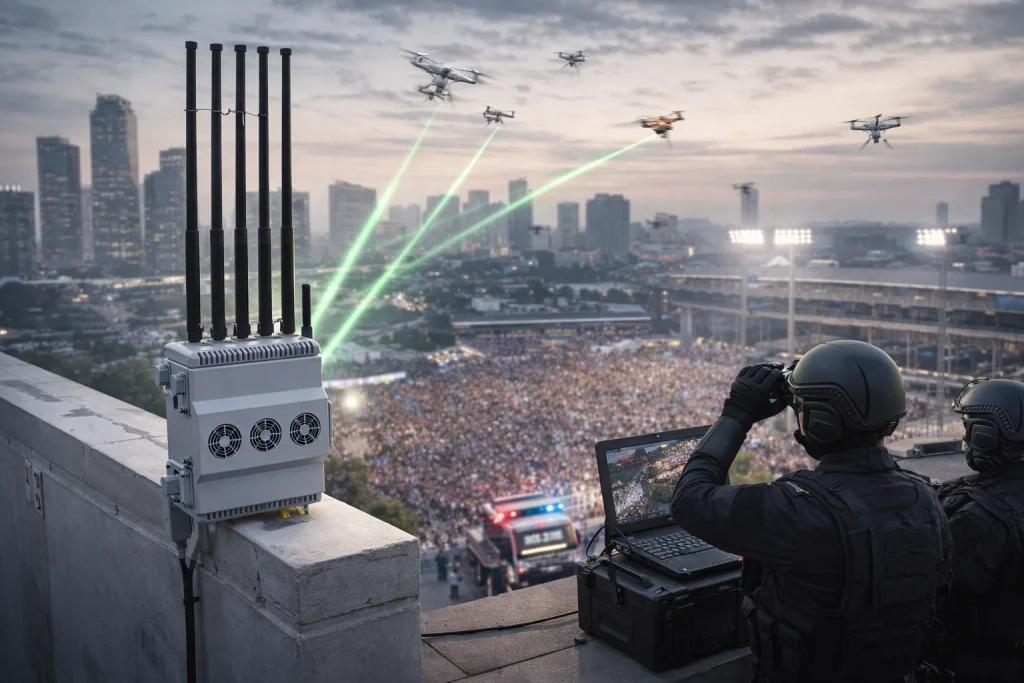
As drone swarm technology becomes more autonomous, low-altitude, and distributed, relying on radar-only detection is no longer sufficient. In dense urban environments, complex terrain, and cluttered electromagnetic conditions, radar systems often face blind spots, false alarms, or performance degradation. This has accelerated the adoption of electro-optical (EO) and acoustic detection systems as critical complementary technologies within modern counter-drone swarm architectures.
Electro-optical and acoustic sensors do not rely on radio frequency emissions from drones. Instead, they exploit visual, infrared, and sound signatures, enabling passive detection and identification. When integrated into a layered counter-drone system, these technologies significantly enhance early warning capability, target confirmation accuracy, and swarm tracking reliability.
This article focuses on how electro-optical and acoustic detection systems work, their strengths and limitations, and why they play a key role in detecting coordinated drone swarm threats.
Electro-Optical Detection Systems for Drone Swarms
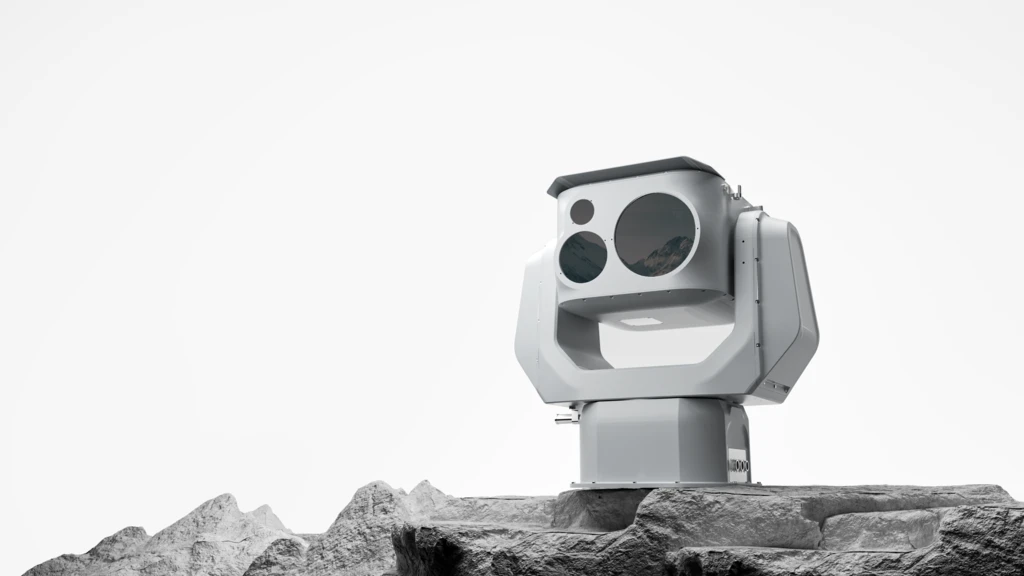
Electro-optical detection refers to the use of visible-light cameras and infrared sensors to identify and track drones based on their physical appearance and thermal signatures. Unlike radar, EO systems provide intuitive visual confirmation, which is essential for reducing false positives and supporting engagement decisions.
Visible-Light Detection and AI-Based Recognition
Visible-light detection systems employ high-resolution optical cameras to monitor protected airspace in real time. Using computer vision and deep learning algorithms, these systems analyze shape, motion patterns, and flight behavior to distinguish drones from birds or other airborne objects.
For drone swarm detection, visible-light systems offer several advantages:
- Ability to visually confirm multiple drones approaching simultaneously
- Precise tracking of formation flight and coordinated maneuvers
- Classification of drone types based on size and configuration
Advanced image recognition models can track dozens of drones concurrently, making visible-light detection particularly effective during daylight operations. However, performance is strongly influenced by lighting conditions, background clutter, and weather factors such as fog or heavy rain.
Infrared Detection for Low-Altitude and Night Operations
Infrared (IR) detection systems identify drones by sensing heat emitted from motors, batteries, and onboard electronics. This makes infrared sensors especially valuable for nighttime detection and low-altitude surveillance, where visual cameras struggle.
Key advantages of infrared detection include:
- Strong performance in low-light or no-light environments
- Reliable detection of drones flying close to terrain
- Enhanced ability to detect small UAVs with low radar cross-sections
For drone swarm scenarios, infrared sensors can detect multiple heat signatures converging toward a protected area, providing early warning of coordinated attacks. However, high ambient temperatures, thermal clutter, and adverse weather can reduce contrast and detection accuracy.
Acoustic Detection Systems for Drone Swarm Identification
Acoustic detection systems identify drones by analyzing the distinctive sound frequencies produced by propellers and motors. Using distributed microphone arrays and signal processing algorithms, these systems can estimate the direction, distance, and quantity of drones.
How Acoustic Drone Detection Works
Every drone model produces a unique acoustic signature during flight. Acoustic systems capture these signals and compare them against a reference database to identify drone presence. In swarm detection scenarios, acoustic analysis can reveal:
- The number of drones operating simultaneously
- Relative movement patterns and approach vectors
- Drone type differentiation based on sound characteristics
Acoustic detection is particularly effective in urban and complex terrain environments, where buildings and terrain limit radar line-of-sight.
Strengths and Limitations of Acoustic Detection
Strengths:
- Fully passive detection with no electromagnetic emissions
- Effective against low-speed, low-altitude drones
- Useful in environments where radar and optical systems face constraints
Limitations:
- Limited detection range, typically hundreds of meters
- Susceptibility to environmental noise such as traffic or industrial machinery
- Reduced effectiveness in high-wind conditions
Despite these limitations, acoustic detection plays a valuable role in short-range drone swarm awareness and early warning.
Comparing Electro-Optical and Acoustic Detection Technologies
Electro-optical and acoustic detection systems address different operational challenges and are most effective when deployed together.
| Technology | Best Use Cases | Key Limitations |
|---|---|---|
| Visible-Light EO | Daytime identification, swarm tracking | Weather and lighting dependency |
| Infrared EO | Night operations, low-altitude drones | Thermal clutter |
| Acoustic Detection | Urban areas, short-range detection | Limited range, noise interference |
When integrated with radar systems, EO and acoustic sensors provide multi-layer verification, reducing false alarms and improving overall detection confidence.
Role in Integrated Counter-Drone Swarm Systems
In modern counter-drone architectures, electro-optical and acoustic sensors are rarely deployed as standalone solutions. Instead, they function as part of a multi-sensor fusion framework, supporting detection, classification, and engagement decisions.
Typical integration roles include:
- Radar cueing EO systems for visual confirmation
- Acoustic sensors providing early alerts in blind zones
- EO systems validating targets before jamming or interception
This layered approach significantly enhances resilience against drone swarms that attempt to evade single detection methods. For system-level implementation strategies, refer to our detailed analysis on integrated counter-drone defense solutions.
Conclusion: Why EO and Acoustic Detection Are Essential Against Drone Swarms
As drone swarms continue to evolve in speed, autonomy, and coordination, detection systems must adapt accordingly. Electro-optical and acoustic detection technologies provide critical passive sensing capabilities that complement radar and electronic countermeasures.
By enabling visual confirmation, thermal detection, and sound-based identification, these systems strengthen early warning, reduce false positives, and improve overall counter-drone swarm effectiveness. When integrated into a layered defense architecture, electro-optical and acoustic detection systems play an indispensable role in protecting critical infrastructure, sensitive facilities, and controlled airspace from coordinated UAV swarm threats.
For a comprehensive understanding of drone swarm threats and countermeasures, explore our analysis on Research on Drone Swarm Threats and Counter-Drone Swarm Technologies.
라진테크